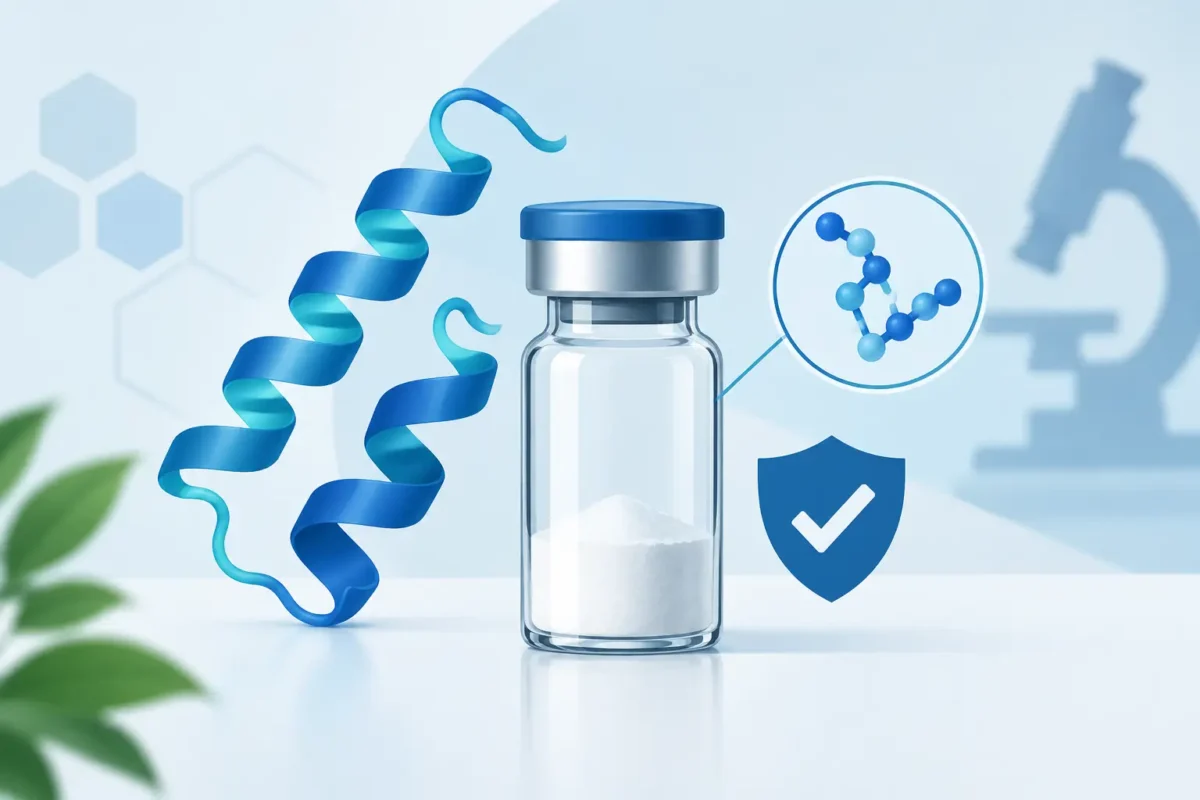
A lyophilized peptide vial may look stable because it contains a dry powder, but that stability depends on disciplined handling from delivery through use. Exposure to humidity, elevated temperatures, direct light, or unnecessary temperature cycling can compromise a research material long before the vial appears visibly changed. Knowing how to store lyophilized peptides starts with the product-specific storage guidance supplied for that lot, then building a controlled process around it.
For research-use-only materials, storage is not a generic housekeeping task. It is part of preserving traceability, consistency, and confidence in downstream research work. A vial label, lot-level certificate of analysis, and handling documentation should remain connected to the material throughout its storage life.
Start With the Product-Specific Storage Specification
There is no single temperature instruction that applies to every lyophilized peptide. Molecular structure, formulation, excipients, intended storage duration, and manufacturer stability data can all affect the recommended conditions. The vial label and accompanying documentation should always take precedence over a general rule of thumb.
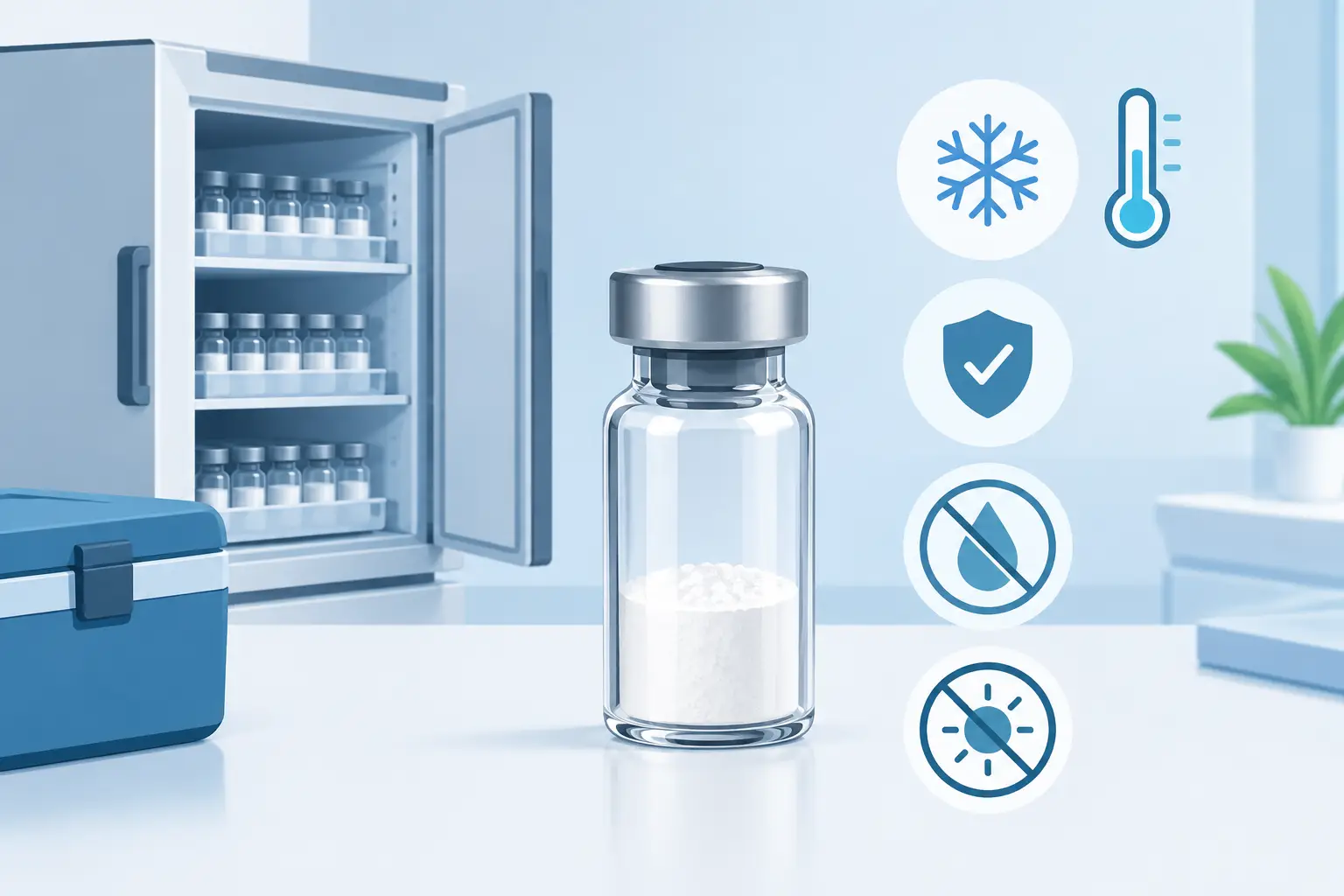
Many lyophilized research peptides are commonly stored frozen for long-term retention, often at -20°C or below when specified. Some materials may have different requirements, while ultra-low storage at approximately -80°C may be appropriate for certain long-term laboratory workflows. Do not assume that colder is automatically better if it creates avoidable handling issues, such as repeated warming during inventory access.
If a product has arrived with clear storage instructions, record those instructions in the receiving log before placing it into inventory. Document the compound name, lot number, receipt date, stated storage temperature, vial quantity, and storage location. This simple control prevents a common problem in shared research environments: an intact vial that can no longer be matched to its handling history.
Control Temperature, Moisture, and Light
Lyophilization removes water, but it does not make a peptide immune to moisture. Once humidity reaches the vial contents, it can affect powder appearance, reconstitution behavior, and material stability. Keep vials tightly sealed and avoid opening them until the research workflow calls for reconstitution.
A reliable storage setup protects against three primary stressors: heat, moisture, and light. Use a dedicated refrigerator or freezer where possible, rather than a high-traffic unit that experiences frequent door openings. Place vials in an opaque secondary container or light-protective box, particularly when the original packaging is not designed to remain in the freezer after receipt.
Keep the original vial label visible. If a secondary container is used, label it with the compound, lot number, storage condition, and date placed into storage. Avoid covering the original vial label with tape or writing that makes lot identification difficult. Traceability should improve when material is transferred to storage, not disappear.
Why freezer-door storage is a poor choice
The freezer door is convenient, but it is typically one of the least temperature-stable locations in the unit. Every opening exposes door-stored inventory to warmer air and potential condensation. Store lyophilized vials farther inside the freezer, ideally in a clearly identified rack, box, or compartment where they can be located quickly.
For the same reason, avoid moving a vial repeatedly between a freezer, benchtop, refrigerator, and freezer again. Temperature cycling increases the opportunity for condensation to form on a cold vial. Condensation on the outside is not automatically a failure, but it is a warning that the material has encountered a moisture-risk event and should be handled carefully.
Receive and Inspect Before Long-Term Storage
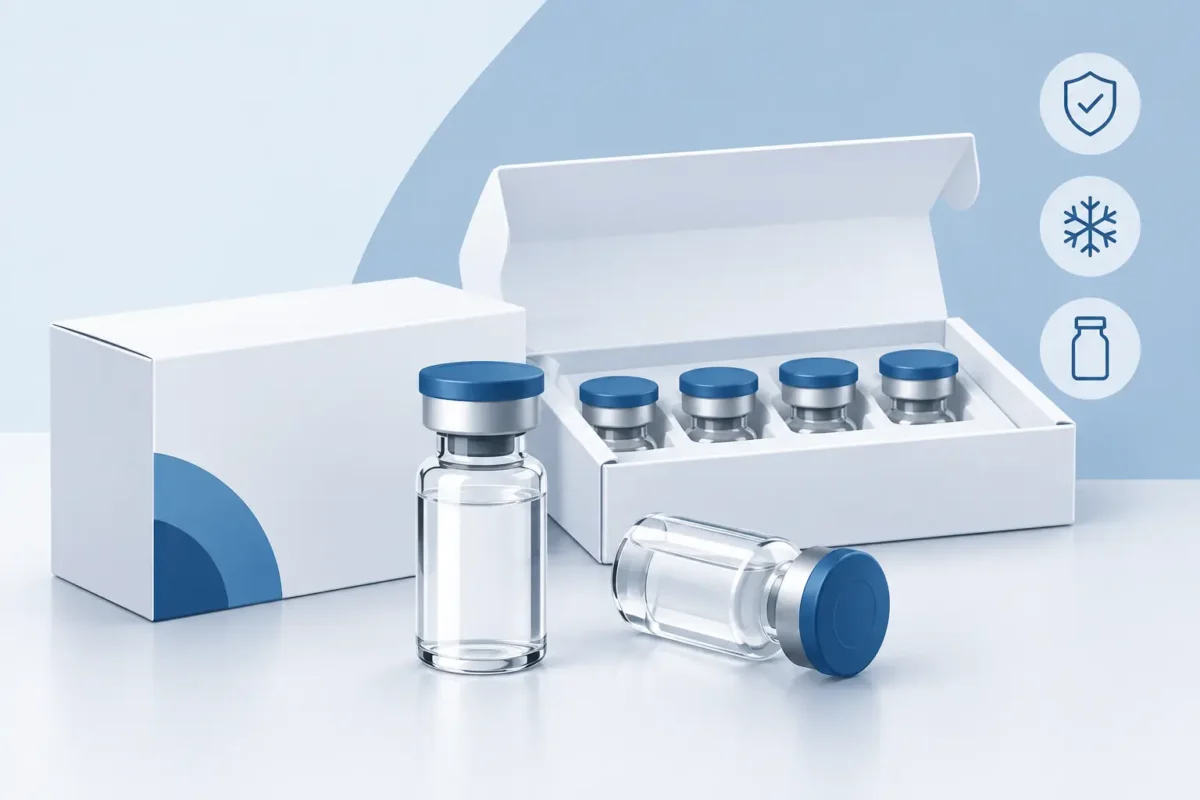
Cold-chain-conscious handling begins when the shipment arrives. Open the outer package promptly, confirm the contents against the order documentation, and inspect each vial before placing it into storage. Check that the vial is intact, the cap and seal are secure, the label is legible, and the powder appearance is consistent with expectations for a lyophilized material.
A dry cake, pellet, or thin powder layer can vary by compound and fill process. Appearance alone is not a substitute for lot documentation or analytical verification. However, obvious signs of concern, such as a damaged vial, a missing label, a visibly wet-looking product, or unexplained discoloration, should be documented before the material enters routine inventory.
If a shipment includes insulated packaging or cold packs, evaluate the product against its stated storage requirements rather than relying on whether a cold pack remains frozen. Transit conditions are one part of the handling record. The relevant question is whether the material and packaging arrived intact, identifiable, and suitable to be placed under the recommended controlled conditions.
Minimize Handling Before Reconstitution
The best storage practice for an unopened lyophilized vial is usually simple: keep it sealed, dry, protected from light, and at its specified temperature until needed. Problems often arise when researchers remove multiple vials for sorting, photography, inventory counts, or comparison, then return them to storage after they have warmed.
Plan access before opening the freezer. Identify the vial location, retrieve only the required material, and return the remaining inventory promptly. When multiple vials of the same lot are held for a project, organizing them in a labeled inventory box reduces searching time and limits incidental exposure.
If a vial must be moved from frozen storage for handling, allow it to reach the appropriate handling temperature while still sealed before opening it. This reduces the risk that humid room air will condense around the closure or enter an opened vial. The specific timing depends on vial size, packaging, ambient conditions, and the laboratory procedure, so follow the applicable protocol rather than using a fixed universal waiting period.
Separate Dry Storage From Reconstituted Storage
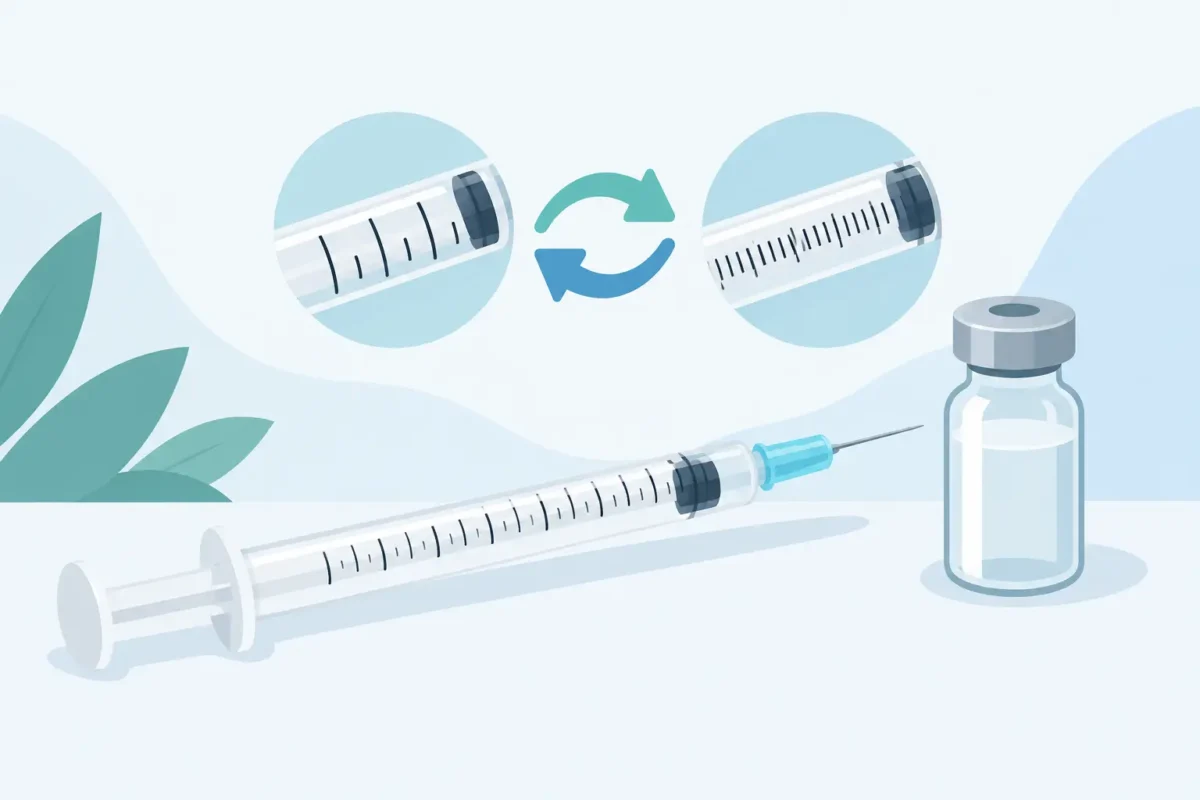
Storage instructions for a lyophilized peptide do not automatically apply after reconstitution. Once a diluent is introduced, the research material becomes a solution with different stability considerations. Those considerations can include diluent selection, concentration, container compatibility, light sensitivity, sterility controls, and the intended time between preparation and use.
Maintain separate records for the dry vial and the reconstituted solution. At minimum, the reconstituted container should identify the compound, lot number, preparation date, diluent, final concentration, preparer, and assigned storage condition. If the original vial is retained after preparation, do not rely on its original label alone to communicate the properties of the new solution.
Avoid preparing more solution than the research schedule reasonably requires. Small, properly labeled aliquots may reduce repeated access to a primary solution, but the right approach depends on the validated protocol and the peptide’s known stability profile. Convenience is not a substitute for documented handling controls.
Build a Storage Record That Supports Reliable Research
A controlled inventory process does not need to be complicated. It needs to be consistent. For each lot, retain the certificate of analysis, product specification, receiving record, storage location, and any relevant observations made at receipt or during handling. This is especially useful when the same compound is purchased across different lots or used by more than one researcher.
A practical storage record should capture at least four items:
- Compound name, vial strength, lot number, and quantity received
- Manufacturer-stated storage condition and exact storage location
- Receipt date, first-use date, and any reconstitution date
- Exceptions such as shipping damage, suspected temperature exposure, or label discrepancies
This level of documentation helps distinguish a material issue from a handling issue if results later differ from expectations. It also makes inventory rotation easier. Use the earliest received suitable inventory first when the stated retest date or expiration information supports that approach.
Common Storage Mistakes to Avoid
The most frequent errors are not dramatic failures. They are small process gaps repeated over time: placing vials in a freezer door, leaving them on the bench while organizing supplies, storing them without light protection, or separating vials from their lot documentation. Another preventable mistake is treating every peptide identically despite different product specifications.
Do not use visual appearance as the only release criterion after a storage deviation. A vial can look normal while having an incomplete temperature or handling history. When an excursion is suspected, isolate the affected material, document what is known, and review the product-specific guidance before returning it to active research inventory.
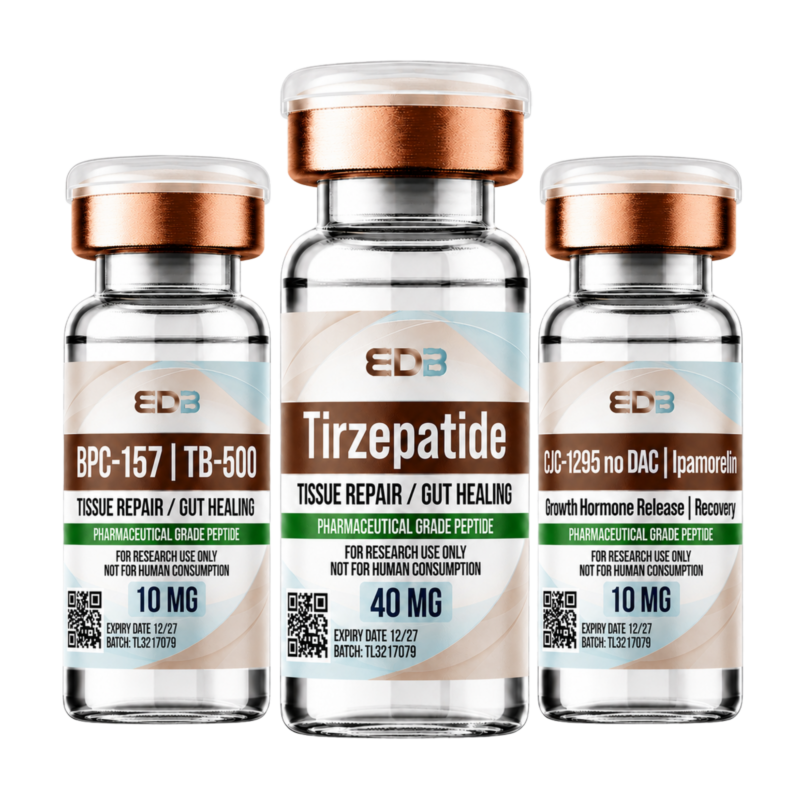
EDB Peptides provides storage and handling information alongside documented, research-use-only product materials so purchasers can maintain a clearer chain from order receipt to laboratory use. That documentation is most valuable when it remains paired with the vial lot throughout the storage process.
Careful peptide storage is less about elaborate equipment than repeatable control: verify the stated condition, keep the vial sealed and protected, limit temperature cycling, and preserve the record that identifies exactly what the research team is working with.













3 thoughts on “How to Store Lyophilized Peptides Correctly”