A BPC-157 research peptide is only as useful to a laboratory as the documentation and handling practices behind it. For experienced research purchasers, the key question is not simply whether a vial is labeled correctly. It is whether the material can be evaluated, tracked, stored, and prepared with enough confidence to support consistent research work.
BPC-157 is commonly supplied as a lyophilized peptide in a sealed vial. That format supports shipping and longer-term storage when handled correctly, but it also makes supplier quality controls especially relevant. Lot traceability, third-party analytical documentation, packaging integrity, and clear reconstitution guidance each affect how confidently a researcher can receive and manage the material.
What Defines a Quality BPC-157 Research Peptide?
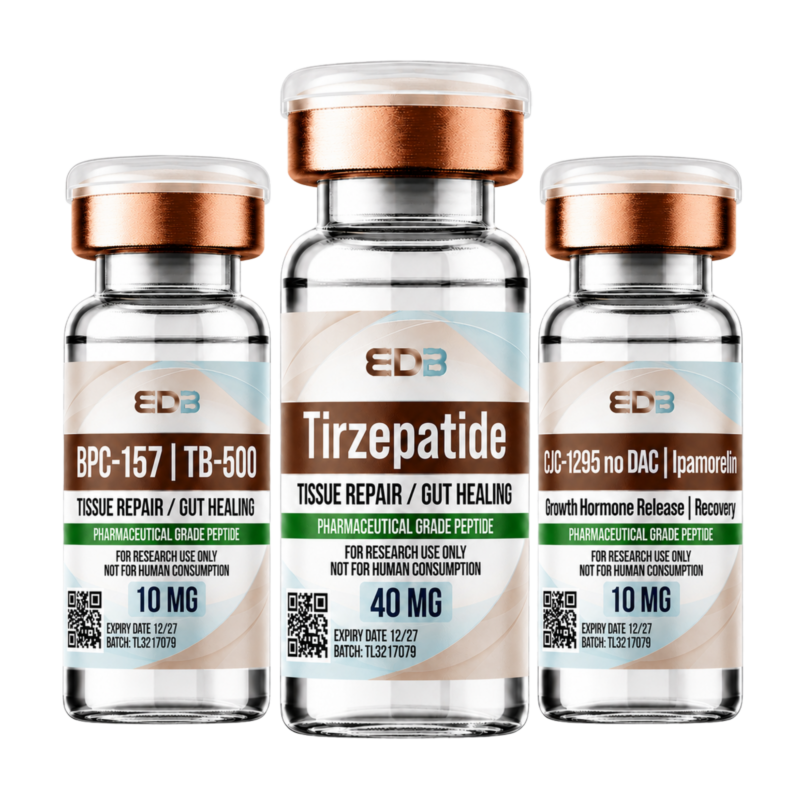
A quality BPC-157 research peptide begins with a clear product specification. The vial label should identify the compound, stated peptide content, lot or batch identifier, and applicable storage direction. These details create the basic chain of accountability between the product listing, its supporting documentation, and the physical material received by the purchaser.
A certificate of analysis, or COA, is central to that review. Researchers should be able to match the lot number on the vial or outer packaging to the lot number on the COA. Depending on the testing panel and supplier documentation, the record may include identity confirmation, purity results, mass information, chromatographic data, and related quality-control findings.
Purity should be read carefully rather than treated as a standalone buying signal. A reported purity percentage can be meaningful only when it is connected to an identifiable lot, a defined analytical method, and a supplier that provides clear records. It does not automatically establish sterility, endotoxin status, suitability for a particular study, or fitness for any use outside the supplier’s stated research-only scope.
The same standard applies to statements such as “third-party tested.” The useful question is whether the documentation identifies the tested lot and provides enough detail for a purchaser to assess what was tested. Broad claims without corresponding lot-level records leave too much uncertainty for controlled research purchasing.
Documentation Is Part of the Material
For BPC-157 research peptide procurement, documentation should not be treated as an afterthought. It is part of the product evaluation process. A well-documented purchase gives the laboratory a practical basis for inventory control, receiving records, and repeat-order consistency.
Before placing an order, verify the stated vial format and compare it with the planned research requirement. A 5 mg vial and a 10 mg vial may contain the same compound, but they create different concentration calculations after reconstitution. The vial size should be visible before checkout, not inferred from a product image or a generic compound name.
At receipt, inspect the shipment before moving material into storage. Confirm the compound name, vial count, lot identification, seal condition, and any temperature-sensitive packaging components. Record the date received and retain the associated COA with the laboratory’s purchasing or inventory records. If there is a discrepancy between the label and documentation, pause use of the material until it is resolved.
Professional packaging matters here because it protects more than presentation. A properly secured vial, readable label, protective outer packaging, and transit-conscious fulfillment help reduce avoidable handling uncertainty before the material reaches the research environment.
Storage Practices That Protect Lyophilized Material
Lyophilized peptides require deliberate storage. The exact storage condition should follow the product label, supplier guidance, and the laboratory’s established procedures. In general, researchers should minimize unnecessary exposure to heat, direct light, humidity, and repeated temperature changes.
Keep unopened vials in their original labeled packaging where practical. This protects the label, keeps lot information attached to the material, and reduces the chance of mix-ups when multiple peptides are stored together. A dedicated inventory location with controlled access also helps maintain a clear chain of custody.
After reconstitution, storage considerations change. The selected diluent, target concentration, container compatibility, planned study timeline, and handling frequency can all affect the laboratory’s approach. Avoid treating a generic storage statement as a substitute for a protocol. Researchers should define the conditions, aliquoting strategy, and allowable hold times appropriate to their own validated work.
Repeated freeze-thaw cycles are a common operational concern for peptide solutions. When a study design permits, aliquoting a reconstituted material into properly labeled, compatible containers can reduce repeated handling of the primary solution. Each aliquot should retain clear identifiers, including compound, concentration, preparation date, lot number, and storage condition.
Reconstitution Requires Concentration Discipline
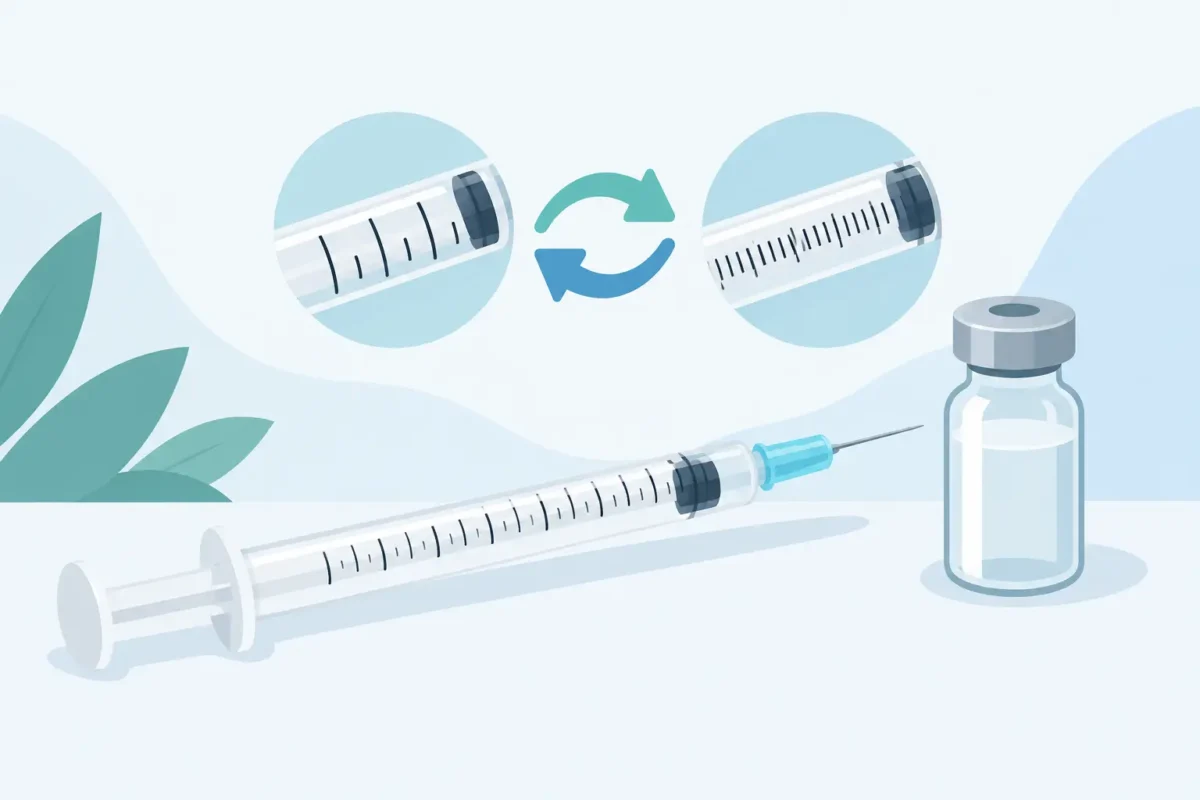
Reconstitution is where an otherwise straightforward vial can become a source of preventable calculation errors. The starting amount is typically stated in milligrams, while a research plan may require a concentration in micrograms per milliliter or another working unit. Every calculation should be documented and independently checked when the study requires a high level of precision.
The core relationship is simple:
Concentration = total peptide amount / total reconstitution volume
For example, a vial containing 5 mg of material contains 5,000 mcg. If a laboratory adds 2 mL of an appropriate diluent, the resulting nominal concentration is 2,500 mcg/mL. That calculation describes concentration only. It does not establish a research protocol, determine an experimental amount, or replace method-specific validation.
Unit conversions should remain explicit throughout the record. One milligram equals 1,000 micrograms, and one milliliter equals 1,000 microliters. Small transcription mistakes at this stage can create large downstream discrepancies, especially when transferring low volumes. Use calibrated equipment, record the actual reconstitution volume, and avoid relying on memory for multi-step calculations.
The choice of diluent should be based on laboratory requirements, material compatibility, and the intended research workflow. A supplier’s reconstitution information can provide useful handling context, but the purchaser remains responsible for selecting and documenting procedures appropriate to the work being performed.
Supplier Signals That Reduce Purchasing Friction
The peptide market includes suppliers with very different documentation standards. For repeat purchasers, the most valuable supplier signals are usually practical ones: lot-specific COAs, clear vial specifications, transparent research-use-only positioning, accessible storage guidance, secure checkout, and fulfillment practices that respect product integrity.
A dependable supplier should also make it easy to distinguish similar products. BPC-157 as an individual compound is not interchangeable with a BPC-157/TB-500 blend, even if the products appear adjacent in a catalog. Review each listing for the stated composition, total content, vial format, and documentation associated with that specific product.
EDB Peptides centers this type of purchasing experience on traceable inventory, professional packaging, and practical handling information. For laboratories that order repeatedly, consistency in those operational details can be as valuable as the initial purchase itself.
Research-Only Boundaries Matter
BPC-157 is offered for laboratory research use only. It is not approved as a drug product, and research materials should not be represented as intended for human consumption, clinical treatment, diagnosis, prevention, or therapeutic use. Responsible purchasing means keeping product communications, storage, documentation, and experimental planning within that stated scope.
This boundary also reinforces why documentation matters. A research-use-only material should be managed through controlled laboratory practices, not casual assumptions based on online discussion or generalized claims. The product label, COA, and supplier specifications provide a starting point for material verification. They do not replace institutional requirements, study controls, or investigator responsibility.
For a BPC-157 purchase to support reliable research, the strongest practice is simple: select a documented lot, verify it on arrival, preserve the storage record, and make every preparation calculation traceable. That discipline gives the material a clearer place in the laboratory and gives the researcher fewer unanswered questions when the work begins.