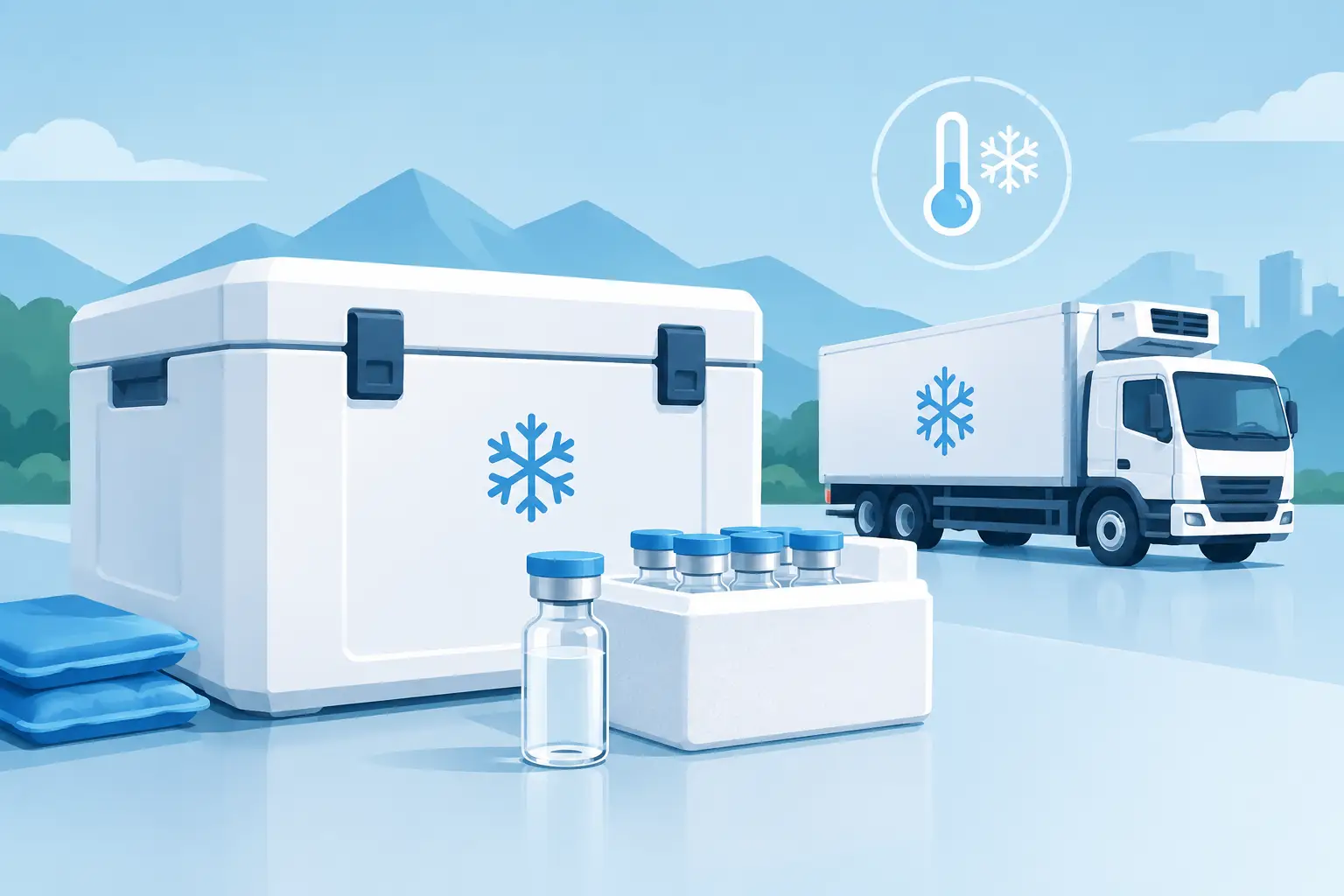
A peptide vial can leave fulfillment in documented condition and still become a question mark if temperature control breaks down before delivery. Cold chain shipping for peptides is therefore not a cosmetic packaging feature. It is part of the handling system that helps preserve the condition of temperature-sensitive research materials between release and receipt.
For research purchasers, the practical concern is simple: a supplier should provide enough protection, visibility, and handling guidance that the material arrives ready to be stored according to its product specifications. That standard requires more than placing a vial beside a cold pack. It requires decisions about product format, insulation, transit time, seasonal conditions, delivery timing, and what the recipient does after the package is delivered.
Why cold chain shipping for peptides requires judgment
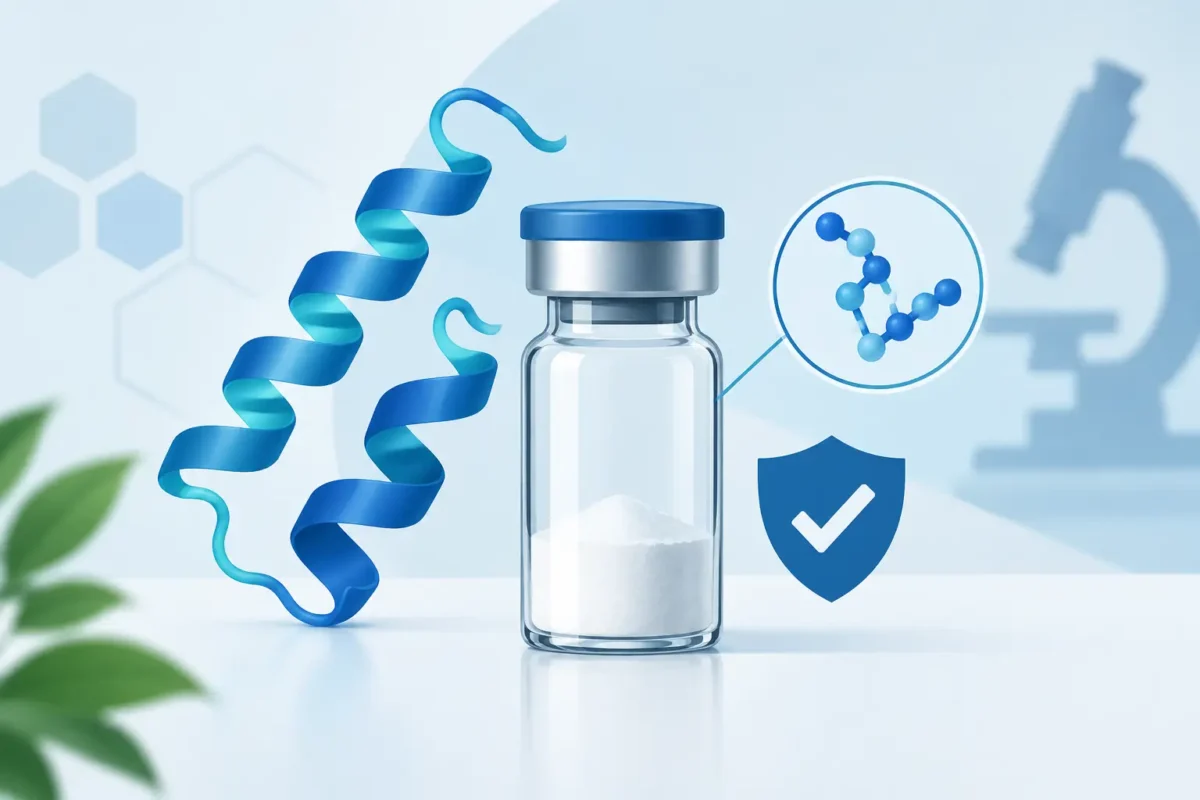
Peptides do not all have identical shipping requirements. The physical format matters. Lyophilized material is generally more stable in transit than material that has already been reconstituted, but stability is not an unlimited allowance for heat, moisture, or repeated temperature swings. The compound, formulation, vial closure, fill format, and validated storage recommendation should guide the handling plan.
This is why responsible fulfillment is cold-chain-conscious rather than based on a one-size-fits-all promise. Some research materials benefit from insulated packaging and refrigerant protection during normal carrier transit. Others may require a more conservative approach during high-heat periods, severe cold, or extended delivery routes. A package that performs well during a two-day spring shipment may need different protection during a summer heat event or a holiday-delayed delivery week.
The goal is not to make unsupported claims that every vial remains at one exact temperature from warehouse to doorstep. Standard parcel networks include handoffs, sorting facilities, trucks, and delivery vehicles. The goal is to reduce avoidable exposure, choose appropriate materials, and give the recipient clear instructions for prompt receiving and storage.
What a cold-chain-conscious shipment should include
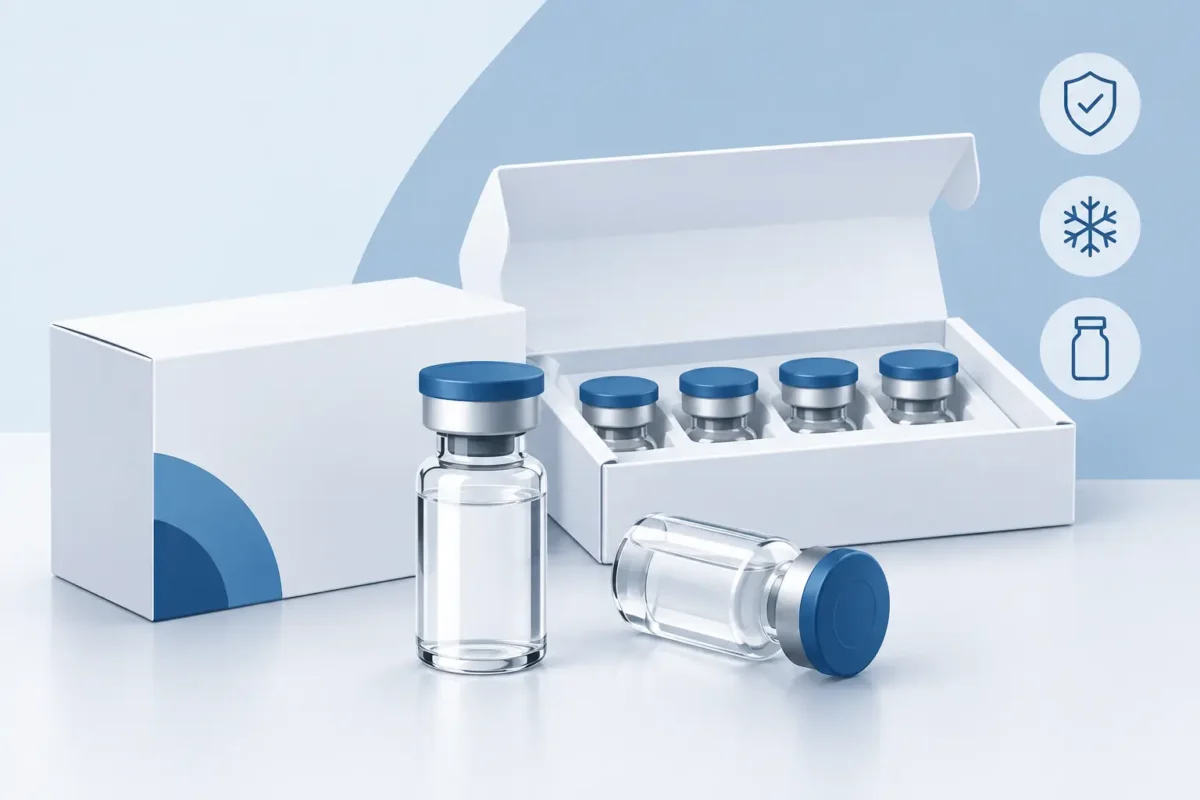
Professional packaging begins with the vial itself. Research materials should be secured in a format that limits movement and protects the primary container from impact. Secondary packaging should keep the vial organized and separated from moisture or direct contact with refrigerant where appropriate.
Insulation creates a buffer against outside temperature changes. Its usefulness depends on the material, the size of the shipment, the refrigerant used, and the expected transit window. Insulation does not create unlimited refrigeration. It slows heat transfer, which is why shipment timing and carrier service selection remain essential parts of the system.
Cold packs can extend that buffer, but they also require careful placement. Direct contact between a vial and a frozen refrigerant pack may create an unnecessary cold-exposure risk. Packaging design should keep product and refrigerant separated while allowing the insulated space to perform as intended. In very cold weather, protection from freezing conditions can be as relevant as protection from heat.
Clear labeling and internal handling information complete the package. A research purchaser should be able to identify the order, match the product to its lot-level documentation, and review storage instructions without guessing. Lot-specific certificates of analysis, product specifications, and laboratory attestation provide a record that packaging alone cannot replace.
Transit time is part of product integrity
A carefully packed order loses value if it sits in a carrier network longer than expected. Fulfillment discipline means considering the time between shipment release and actual delivery, not only the shipping label creation date. Weekends, federal holidays, regional weather events, and remote delivery areas can all change the risk profile.
For that reason, sending an order late in the week may not always be the right choice for temperature-sensitive research materials. A shipment released before a weekend can encounter avoidable dwell time if the selected service does not deliver on Saturday or if a carrier exception occurs. The most appropriate dispatch schedule depends on the carrier service, destination, forecast, and material requirements.
Recipients also play a direct role. Deliveries should be sent to an address where someone can receive the package promptly, particularly during hot or freezing weather. A shaded porch may be better than direct sun, but it is not a substitute for bringing the package inside. Apartments, shared mail areas, business receiving desks, and access-controlled buildings all deserve planning before an order is placed.
What to do when the package arrives
Prompt receiving protects the work already done during fulfillment. Do not leave a temperature-sensitive shipment unopened for hours simply because the external carton looks intact. Move it indoors, inspect it, and follow the product-specific storage guidance supplied with the order.
A disciplined receipt check can be completed in a few minutes:
- Confirm the shipping label and order contents match your records.
- Inspect the outer carton, insulation, vial packaging, and closure for visible damage or moisture exposure.
- Review the product label, lot information, and accompanying documentation before placing materials into storage.
- Transfer the vial to the specified storage environment promptly, keeping it protected from light when the product instructions call for it.
The condition of a cold pack alone is not a complete pass-or-fail test. Refrigerant may be partially thawed at delivery and still have provided useful temperature buffering during transit. Conversely, a pack that remains cold does not override a visibly damaged vial, a prolonged carrier delay, or product-specific instructions. Evaluate the complete shipment condition and retain packaging and photos if there is a concern that requires follow-up.
Storage starts at delivery, not after reconstitution
Shipping protection and long-term storage are related but separate controls. A supplier’s transit packaging is designed for a defined delivery window. Once received, the purchaser is responsible for placing the material into the storage conditions stated for that product and format.
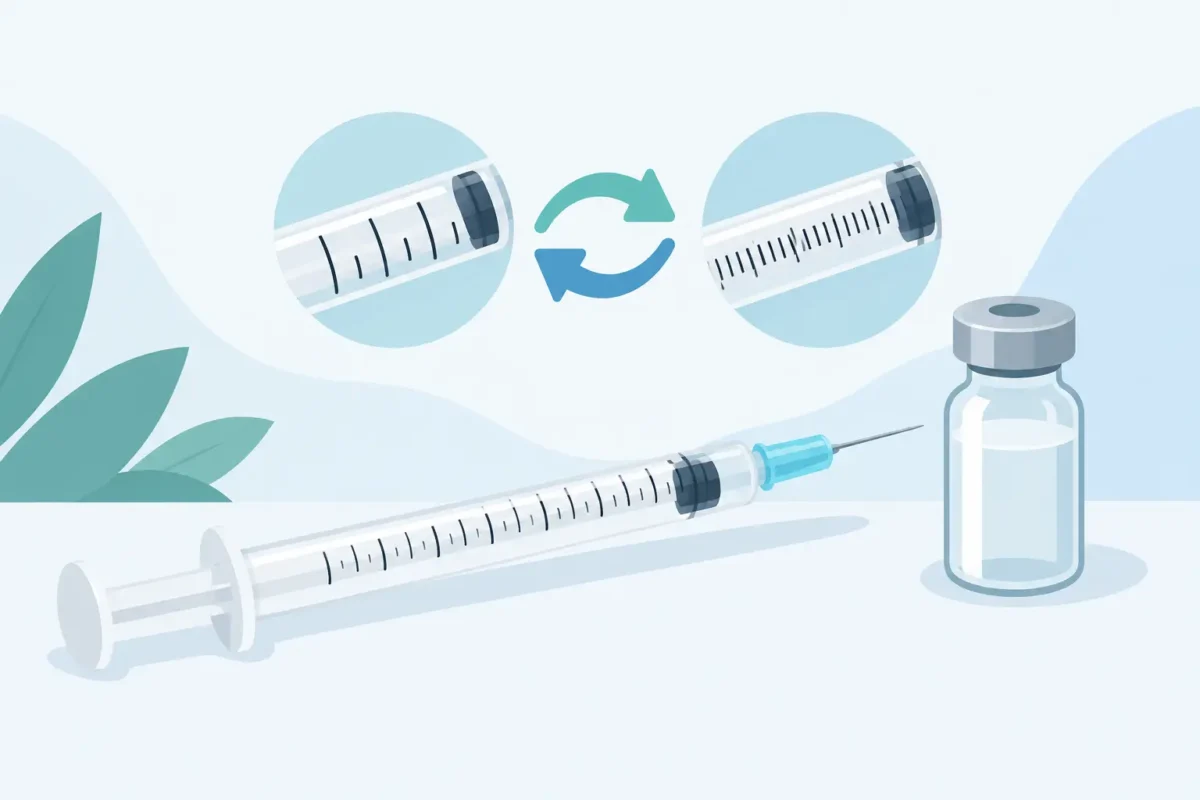
For lyophilized peptides, storage guidance may differ from guidance for a reconstituted vial. Reconstitution changes the handling profile, so the relevant instructions should address the diluent, final concentration, storage temperature, light exposure, and expected use period for the specific research application. General online advice should never replace the product documentation or an established laboratory procedure.
Avoid repeated warming and cooling cycles whenever possible. Frequent handling outside the recommended storage environment can introduce variability that is difficult to reconstruct later. Organized inventory practices help: record the receipt date, lot number, storage location, and any reconstitution details in the same system used for research records.
Documentation makes fulfillment verifiable
Temperature-conscious packaging matters because it supports material integrity. Documentation matters because it gives the purchaser a basis for identifying and managing that material correctly. These two controls work together.
A lot-level certificate of analysis supports traceability. Third-party testing claims and laboratory documentation provide additional quality signals. Clear vial labeling, storage instructions, and concentration calculations reduce the chance that an otherwise well-handled product is misidentified or stored incorrectly after receipt.
EDB Peptides approaches fulfillment with the same practical standard applied to product information: professional packaging, traceable inventory, and handling guidance should reduce uncertainty rather than create it. Research-use-only materials are not interchangeable commodities, and their shipping process should reflect that reality.
When to contact the supplier
Contact the supplier promptly if the package shows damage, the vial is broken or compromised, the order contents do not match, or a significant carrier delay creates a reasonable handling concern. Provide the order number, delivery date, photographs of the carton and internal packaging, and any relevant tracking details. This creates a clear record and allows the issue to be assessed against the shipment conditions.
Cold chain shipping is most effective when it is treated as a shared chain of custody: careful fulfillment, sensible carrier timing, prompt delivery receipt, and immediate storage. That final transfer to the correct storage environment is a small step, but it is where dependable shipping becomes dependable research handling.













2 thoughts on “Cold Chain Shipping for Peptides That Holds Up”