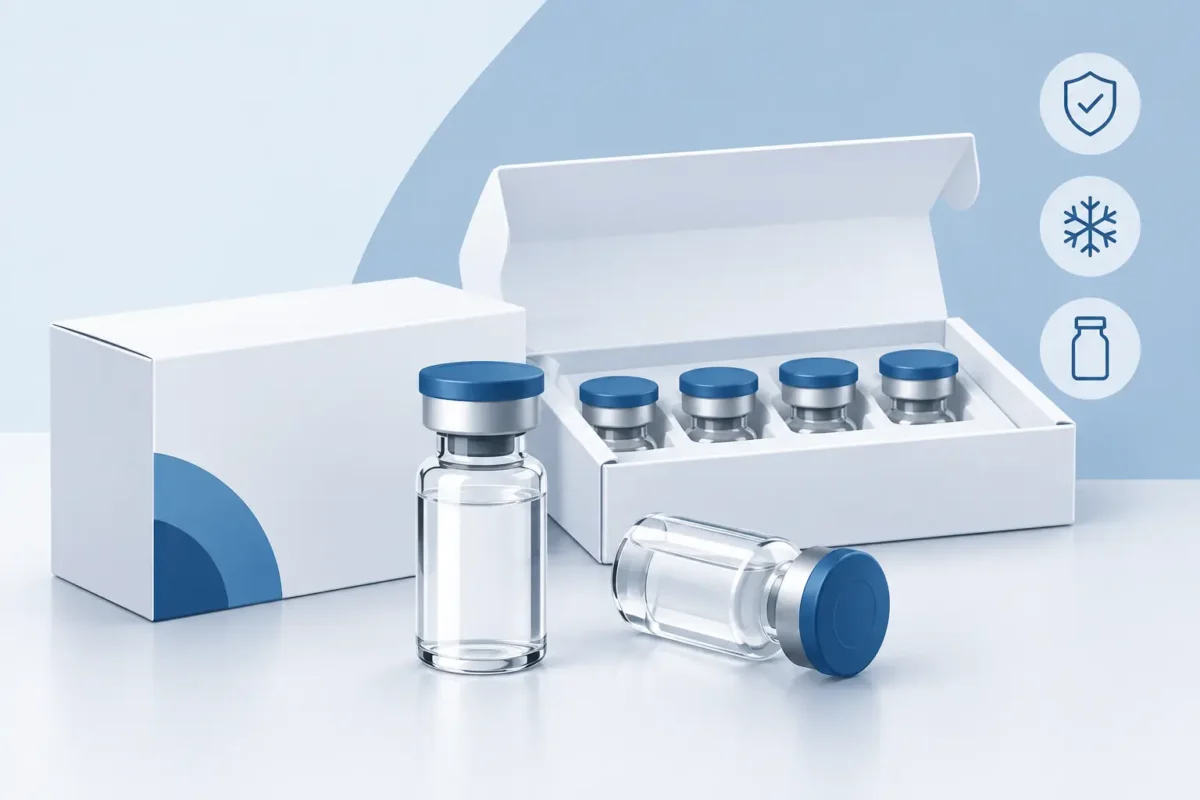
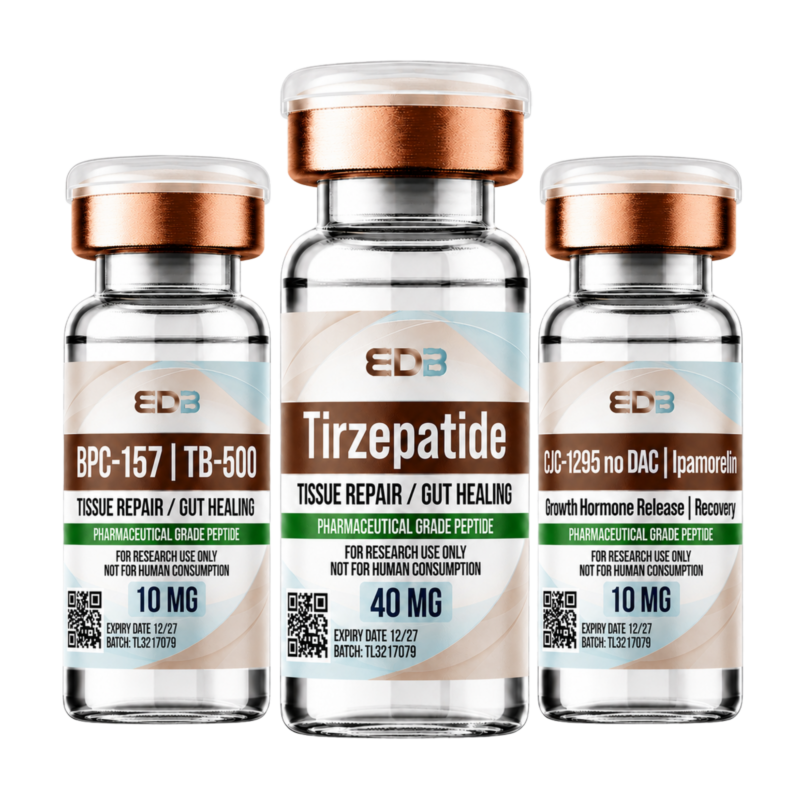
A vial label can identify a compound, but it cannot independently demonstrate what was measured for the material inside. Research peptides with lot COAs give purchasers a documented path from the vial in hand to a specific quality-control record. For laboratories and experienced research buyers, that connection is not a marketing extra. It is part of determining whether a material can be appropriately evaluated, stored, and tracked within a research workflow.
A certificate of analysis, or COA, is most useful when it is specific, readable, and connected to the exact lot supplied. A generic purity statement may be reassuring at first glance, but it does not provide the same level of accountability as a lot-level report with an identifiable batch number, test results, methods, and release information.
Why Lot-Level COAs Matter for Research Peptides
Peptide materials are commonly purchased as lyophilized powders in small, standardized vial formats. The amount of material may be stated clearly, yet the purchasing decision should also account for identity confirmation, analytical purity, lot traceability, and the condition in which the product is packaged and delivered.
Lot-level documentation creates a practical record for receiving, inventory, and future reference. If a laboratory orders the same catalog item at different times, each shipment may represent a different production lot. The lot number on the vial or accompanying packaging should correspond to the lot number on the COA. That match allows the purchaser to distinguish one batch from another rather than treating every vial carrying the same product name as interchangeable.
This matters especially when research requires repeatability. A documented lot number makes it possible to record which material was used in a particular assay, compare observations across runs, and retain supporting documentation if internal review is needed. It also provides a more disciplined basis for evaluating supplier consistency over time.
A COA is not a substitute for a laboratory’s own qualification process, and it does not automatically establish fitness for every analytical method or research application. It does, however, provide an essential starting point: a supplier-backed record of what was tested and released for that specific lot.
What a Useful Peptide COA Should Show
The value of a certificate depends on the information it contains and how clearly that information applies to the product received. Buyers should be able to review the report without guessing which material it covers.
At minimum, a useful lot COA should identify the compound or blend, the lot or batch number, the date of testing or release, and the reported results. For individual peptides, the stated sequence or molecular information may also help confirm that the report refers to the intended material. For multi-peptide offerings, the report should make clear whether the testing applies to the blend, its specified components, or separately evaluated materials.
Analytical purity is often reported as a percentage, commonly using high-performance liquid chromatography, or HPLC. HPLC can provide a useful view of the chromatographic profile and reported purity under the stated test conditions. Buyers should look beyond a large purity number alone. The report should identify the method or method category used, provide an understandable result, and connect that result to the correct lot.
Identity testing may be supported through methods such as mass spectrometry. A reported mass consistent with the expected molecular mass can add another layer of confidence that the analyzed material corresponds to the labeled compound. Depending on the supplier and material, documentation may also address appearance, water content, residual solvents, microbial limits, or other release specifications. The appropriate panel depends on the compound, format, intended laboratory use, and the supplier’s stated quality system.
Purity Is Important, but It Is Not the Entire Record
A purity percentage should be interpreted in context. It does not, by itself, communicate the actual peptide content per vial, shipping exposure, storage history after delivery, or suitability for a particular protocol. It also does not eliminate the need for careful receiving and handling.
For a lyophilized research peptide, practical quality control includes the full chain of information: identifiable product labeling, lot documentation, protective packaging, storage instructions, and handling guidance. When these elements agree, the buyer has a more reliable basis for organizing research materials.
How to Match a COA to the Vial You Receive
The verification step should happen when the shipment is received, before material is placed into working inventory. Start by comparing the product name, stated vial content, and lot number on the physical product or its associated label against the COA. Small differences in naming can occur, but the core compound description and lot identifier should be unambiguous.
Next, check the report date and test status. A document should clearly indicate that the lot was tested or released, rather than presenting an unlabeled chromatogram or a sample result with no batch connection. If an expiration or retest date is supplied, record it alongside the receipt date and the storage location.
It is also wise to save a copy of the COA in the same inventory record used for the vial. A simple internal entry can include the supplier, catalog item, lot number, quantity received, date received, recommended storage condition, and COA file reference. This creates a traceable chain without adding unnecessary complexity to routine laboratory operations.
For materials that require reconstitution for research use, keep the lot record tied to the reconstituted container as well. The original vial is only one part of the material history. Once reconstituted, concentration, diluent, preparation date, storage condition, and aliquot labeling become equally important for maintaining orderly research records.
Questions That Separate Documentation From Decoration
Not every document labeled as a COA carries the same practical value. Buyers should be cautious when a supplier presents a single certificate for every order, does not display or provide a lot number, or relies only on broad claims such as “high purity” without supporting analytical details.
A quality-focused supplier should be able to address straightforward questions: Does the COA match the shipped lot? What analytical method supports the reported purity? Is identity testing included or available? How are vials labeled and protected during fulfillment? What storage conditions are recommended upon receipt?
The answers matter because quality is operational. A well-presented report has limited value if the order arrives with unclear labeling, no lot match, or no handling guidance. Conversely, a carefully packaged vial should not require the buyer to accept undocumented claims about the material it contains. Documentation and fulfillment should support one another.
Third-party testing can strengthen confidence when the relationship between the laboratory result and the released lot is clear. Still, “third-party tested” should be treated as a claim to verify, not as a complete quality assessment on its own. Review what was tested, which lot was tested, and which result was reported. The scope of testing matters as much as the phrase used to describe it.
Procurement Practices for Documented Research Materials
For repeat purchasers, consistency begins before checkout. Review product specifications and available documentation while comparing suppliers, then maintain the same receiving standards for every shipment. This reduces the risk that an urgent order bypasses the records that make later verification possible.
A practical procurement process should account for more than price per vial. Consider whether the supplier provides lot-level COAs, clear RUO labeling, professional packaging, storage guidance, and responsive support for documentation questions. Secure transaction handling and dependable delivery also matter, particularly for materials where unnecessary transit exposure can complicate inventory management.
EDB Peptides centers lot-specific documentation, professional packaging, and practical handling details around its RUO catalog so purchasers can evaluate materials with the specificity their workflows require. That approach is especially valuable for buyers ordering familiar compounds repeatedly and expecting each new lot to be clearly documented.
Research-use-only designation should remain clear throughout procurement and recordkeeping. COAs, concentration calculations, and storage guidance support laboratory handling and evaluation of research materials. They do not change a product’s intended RUO status or establish suitability for human or veterinary use.
A Better Standard Than a Purity Claim
The best purchasing decision is rarely based on one number. It is based on whether the supplier makes the material understandable and traceable from order to receiving to use in a documented research setting. A lot-matched COA, readable analytical information, protected packaging, and precise storage instructions work together to reduce avoidable uncertainty.
When a new vial enters inventory, treat its documentation as part of the material, not paperwork to review later. That small discipline makes it easier to protect research continuity, compare lots intelligently, and purchase with confidence when the next order is due.