

Related posts

9 Peptide Vendor Red Flags Researchers Should Catch

Spot peptide vendor red flags before research materials reach lab. Check lot-specific COAs, test methods, packaging, handling guidance, and fulfillment.

GHK-Cu Research Peptide Quality Checks for Labs
GHK-Cu research peptide buyers can evaluate identity, purity, vial labeling, documentation, storage, and reconstitution records before laboratory use.
Thymosin Beta-4 vs TB-500: What Researchers Need to Know

Quick answer: In the thymosin beta-4 vs TB-500 comparison, thymosin beta-4 (Tβ4) is a naturally occurring 43-amino-acid protein found i...

TB-500 Research Peptide Quality and Handling
TB-500 research peptide guidance on identity, documentation, storage, reconstitution planning, and research-use-only laboratory handling practices clearly.

BPC-157 Research Peptide Quality and Handling
BPC-157 research peptide quality starts with traceable lots, verified documentation, correct storage, and precise laboratory handling practices in research.

Peptide Purity Testing Methods That Matter
Compare peptide purity testing methods, from HPLC and LC-MS to identity, water, and endotoxin checks, so a lot-specific COA supports buying decisions.
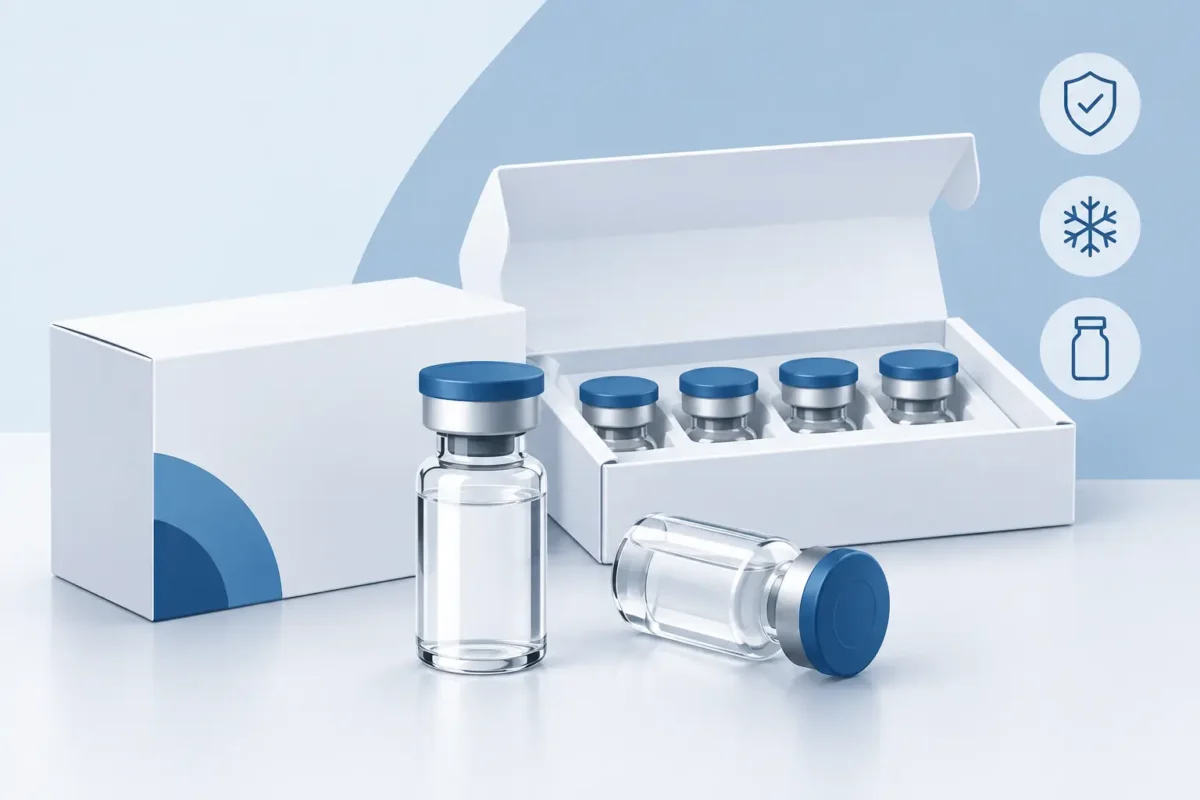
Professional Peptide Vial Packaging Standards
Professional peptide vial packaging protects lyophilized research materials through documented seals, labeling, transit controls, and storage guidance.
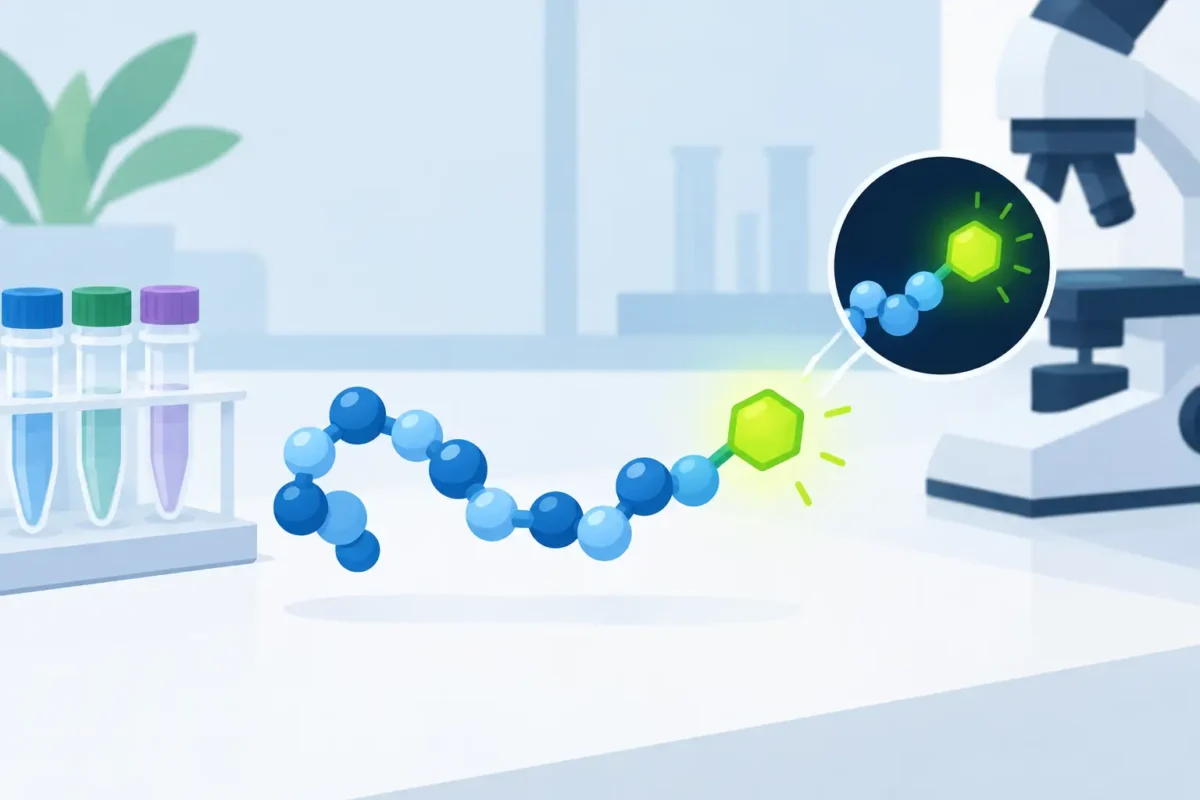
Research Use Only Peptide Labeling: What It Means
Research use only peptide labeling clarifies intended laboratory use, traceability, storage, and documentation for controlled research material handling.

Peptide Certificate of Analysis Verification
Peptide certificate of analysis verification helps research buyers confirm lot identity, test method, purity result, and documentation before ordering.

IGF-1 LR3 Research Peptide Quality Considerations
IGF-1 LR3 research peptide guidance for evaluating identity, documentation, storage, reconstitution planning, and handling controls for lab workflows.

CJC-1295 no DAC Research Peptide Specifications
Review CJC-1295 no DAC research peptide specifications, documentation, storage, reconstitution controls, and lot-level quality checks for laboratory work.

U-100 Syringe Peptide Unit Conversion Explained
Learn u-100 syringe peptide unit conversion with concentration formulas, worked research examples, and practical checks for accurate laboratory handling.