


Related posts

Why Purity Matters in Research Peptides

In the growing world of research peptides, quality isn't optional—...
Understanding Research Peptides: What Scientists Are Studying Today
Research peptides are short chains of amino acids designed to mimi...
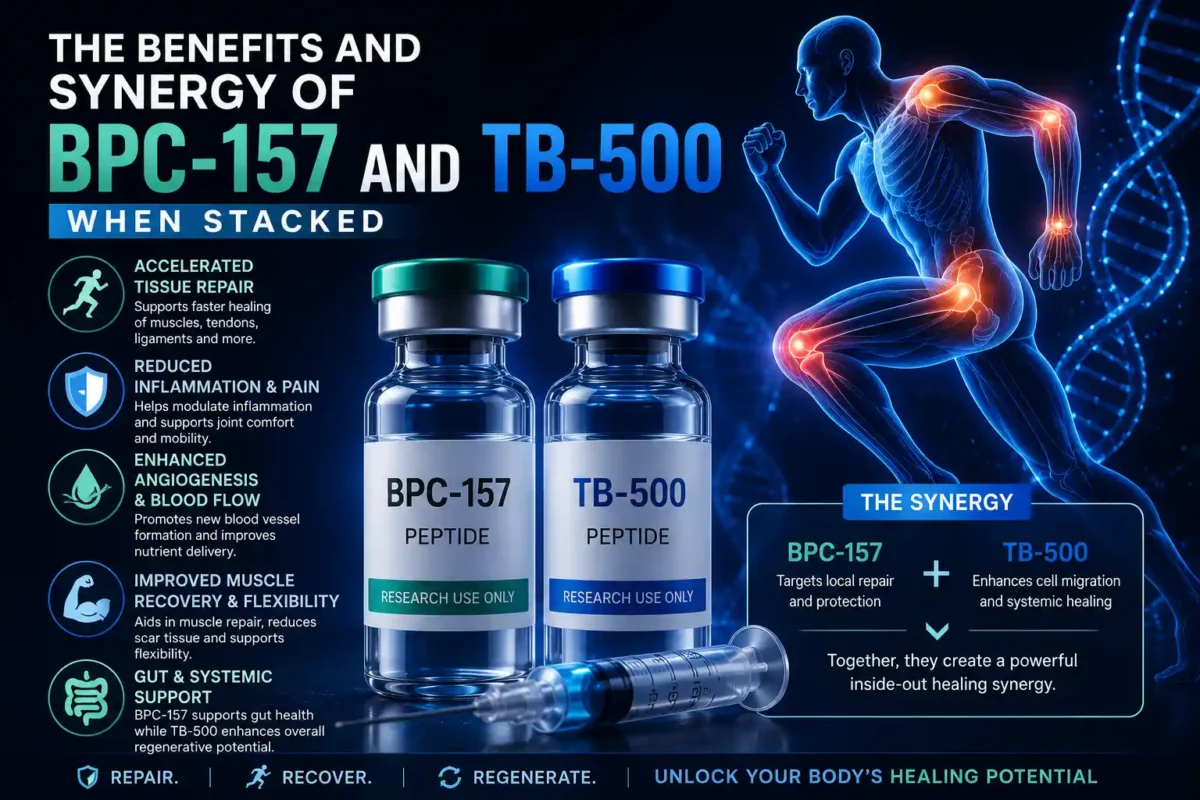
The Benefits and Synergy of BPC-157 and TB-500 When Stacked
The BPC-157 & TB-500 Stack, commonly known as the Wolverine Stack, is one of the most widely discussed peptide combinations in rege...

The Benefits and Power of the GLOW Peptide Blend
The GLOW Peptide Blend (also known as the GLOW Stack) is a popular compounded research peptide formulation that combines three well-kno...
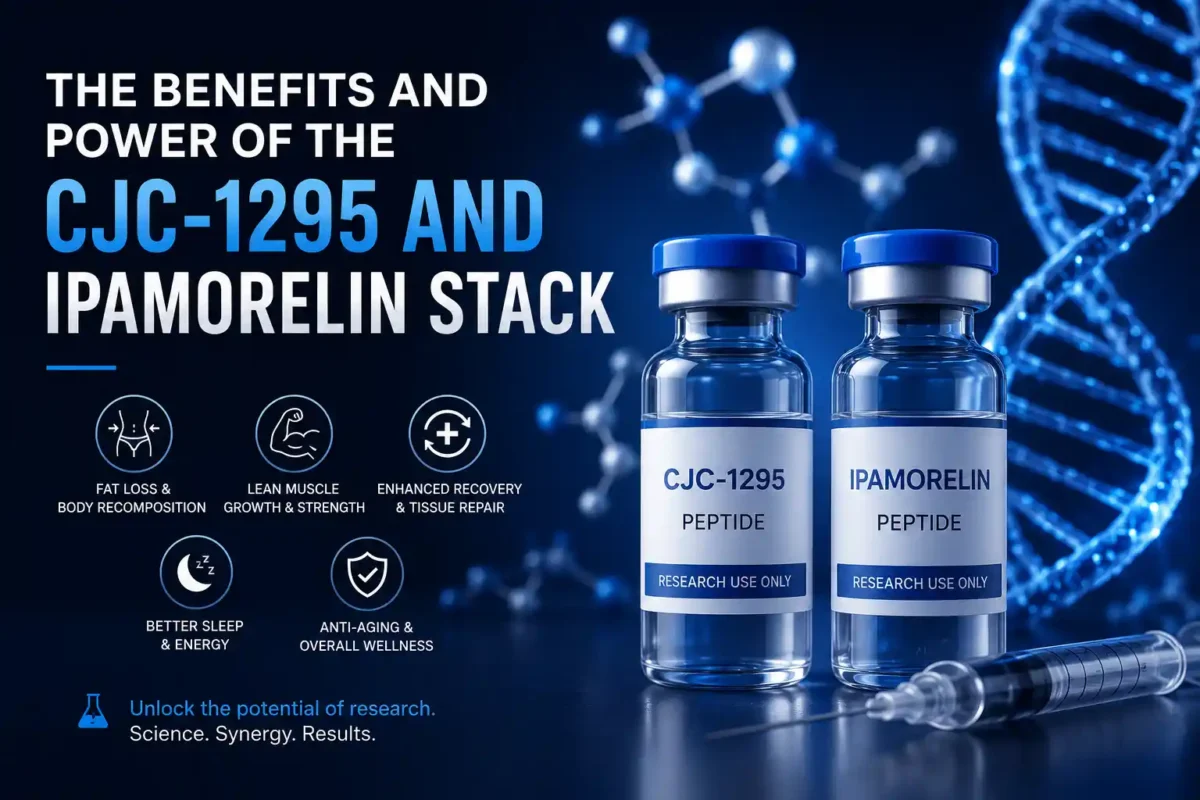
The Benefits and Power of the CJC-1295 and Ipamorelin Stack
The CJC-1295 + Ipamorelin stack is one of the most widely research...

Why Purity Matters in Research Peptides
When conducting scientific research, compound purity is one of the most critical factors affecting data accuracy and experimental relia...

BPC-157 and TB-500: Exploring Two Popular Research Peptides
Among the most discussed compounds in regenerative research are BPC-157 and TB-500. Both peptides have attracted significant attention ...

Understanding Research Peptides: What Scientists Are Studying Today
Research peptides have become an increasingly important area of investigation in modern biomedical science. These short chains of amino...