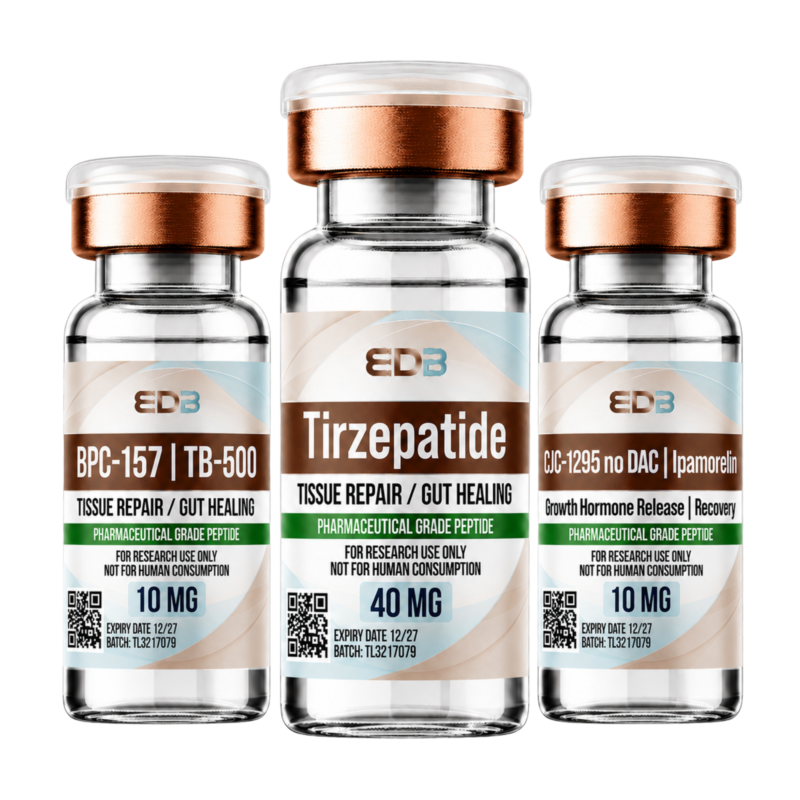


Research peptides are short chains of amino acids designed to mimic or influence natural biological processes. In 2026, they represent one of the most dynamic areas in wellness, regenerative medicine, and metabolic research. Scientists are investigating their potential for tissue repair, body composition, anti-aging, and more, with compounds like BPC-157, TB-500, and Tesamorelin leading many of these discussions.
If you’re new to research peptides or want to understand the current scientific focus, this guide provides an overview of their mechanisms, research applications, and ongoing studies.
What Are Research Peptides?
Peptides are naturally occurring or synthetic molecules, typically consisting of 2–50 amino acids, that function as signaling molecules within the body. Research peptides are investigated for their ability to target specific biological pathways, including:
- Growth hormone release
- Inflammation modulation
- Cellular repair
- Tissue regeneration
- Metabolic regulation
Their targeted mechanisms make them valuable research tools, often allowing scientists to study specific biological responses with greater precision than many traditional pharmaceuticals.
Important: Research peptides are intended strictly for laboratory and educational research purposes.
Key Areas Scientists Are Studying
1. Tissue Repair and Injury Recovery
Among the most widely researched regenerative peptides are BPC-157 and TB-500.
BPC-157 (derived from gastric proteins) is being studied for its potential to:
- Promote angiogenesis (new blood vessel formation)
- Reduce inflammation
- Support tendon and ligament repair
- Aid muscle recovery
- Support gastrointestinal healing
TB-500, a fragment associated with Thymosin Beta-4, is researched for:
- Cell migration
- Wound healing
- Tissue remodeling
- Systemic regeneration
Together, these peptides are commonly referred to as the Wolverine Stack, making them a popular focus in regenerative medicine research.
2. Metabolic Health and Body Composition
Metabolic peptides continue to receive significant scientific attention.
Tesamorelin, a synthetic GHRH analog, is FDA-approved for reducing excess visceral fat in specific patient populations and continues to be studied for:
- Visceral fat reduction
- Lean muscle preservation
- Improved lipid profiles
- Metabolic health
Researchers are also investigating compounds such as:
- GLP-1 analogs (including Semaglutide analogs)
- Mitochondrial peptides like MOTS-c
Current studies explore their effects on:
- Insulin sensitivity
- Energy metabolism
- Body composition
- Long-term cardiovascular health
3. Anti-Aging and Longevity Research
Several peptides are being explored for their potential roles in healthy aging.
GHK-Cu (Copper Peptide) is studied for:
- Collagen production
- Skin rejuvenation
- Wound healing
- Antioxidant activity
Growth hormone secretagogues such as CJC-1295 and Ipamorelin are also being investigated for their potential effects on:
- Recovery
- Vitality
- Sleep quality
- Age-related GH decline
4. Emerging Areas of Research
Scientists continue exploring peptides across several additional fields, including:
- Cognitive support (Semax, Selank)
- Immune modulation (Thymosin Alpha-1)
- Inflammation regulation
- Recovery optimization
- Multi-peptide “stack” research
Although many findings are promising, much of the available evidence remains preclinical, highlighting the need for larger human clinical trials.
How Research Peptides Work
Most research peptides interact with specific receptors or signaling pathways within the body.
Common biological targets include:
- Growth Hormone / IGF-1 signaling
- Nitric oxide pathways
- Actin regulation
- Cellular repair mechanisms
- Angiogenesis pathways
Their targeted activity allows researchers to investigate highly specific biological responses while potentially minimizing off-target effects.
Benefits Observed in Research
Research involving various peptide compounds has demonstrated potential benefits such as:
- Accelerated tissue repair
- Reduced recovery time
- Improved body composition
- Fat loss with lean muscle preservation
- Enhanced metabolic markers
- Increased cellular repair activity
- Support for skin health
- Anti-inflammatory effects
Note: These findings vary depending on the specific peptide, dosage, research model, and study design. Many proposed benefits require additional validation through large-scale human clinical trials.
Who Conducts Peptide Research?
Research peptides are investigated by:
- Academic research institutions
- Clinical investigators
- Regenerative medicine researchers
- Endocrinology researchers
- Sports science laboratories
- Metabolic health specialists
Interest in peptide research has expanded significantly alongside the success of approved peptide-based therapies such as GLP-1 receptor agonists.
Safety and Considerations
Many research peptides have demonstrated favorable tolerability within controlled studies. Reported side effects may include:
- Injection-site reactions
- Temporary fatigue
- Mild discomfort
However, long-term human safety data remain limited for many investigational peptides.
For research purposes, quality remains critical. Researchers should prioritize products that provide:
- Third-party testing
- Verified purity
- Transparent manufacturing
- Comprehensive documentation
Important Disclaimer: This information is provided for educational purposes only and does not constitute medical advice. Research peptides are regulated differently across jurisdictions, and availability varies by location. EDB LLC supplies peptides strictly for research and educational purposes. Always comply with applicable laws and consult qualified professionals when appropriate.
Choosing High-Quality Research Peptides
When selecting research peptides, prioritize suppliers that offer:
- 98%+ purity
- HPLC/MS-verified Certificates of Analysis (COAs)
- Transparent manufacturing standards
- Consistent quality control
- Comprehensive product documentation
Frequently Asked Questions
What are the most researched peptides in 2026?
Some of the most actively researched peptides include:
- BPC-157 (tissue repair)
- TB-500 (wound healing and regeneration)
- Tesamorelin (metabolic health and visceral fat)
- CJC-1295
- Ipamorelin
- GHK-Cu
Are research peptides FDA-approved?
Most research peptides are investigational and intended for research purposes only.
Some peptide-based medications, such as Tesamorelin, have FDA-approved medical indications, but most peptides discussed in research settings are not approved for general therapeutic use.
How long do peptide studies typically last?
Study duration varies depending on the research objective.
- Preclinical studies often range from days to several weeks
- Human clinical trials may extend from months to multiple years
Where can researchers source high-quality peptides?
Researchers should work with reputable suppliers that provide:
- Verified purity
- Third-party laboratory testing
- HPLC/MS Certificates of Analysis
- Transparent documentation
EDB LLC emphasizes quality, documentation, and compliance for research applications.
Ready to Learn More?
Explore the latest peptide research by browsing the peptide collection at EDB.LLC or contact our team for additional information. Staying informed about the latest scientific developments helps support meaningful, evidence-based research.