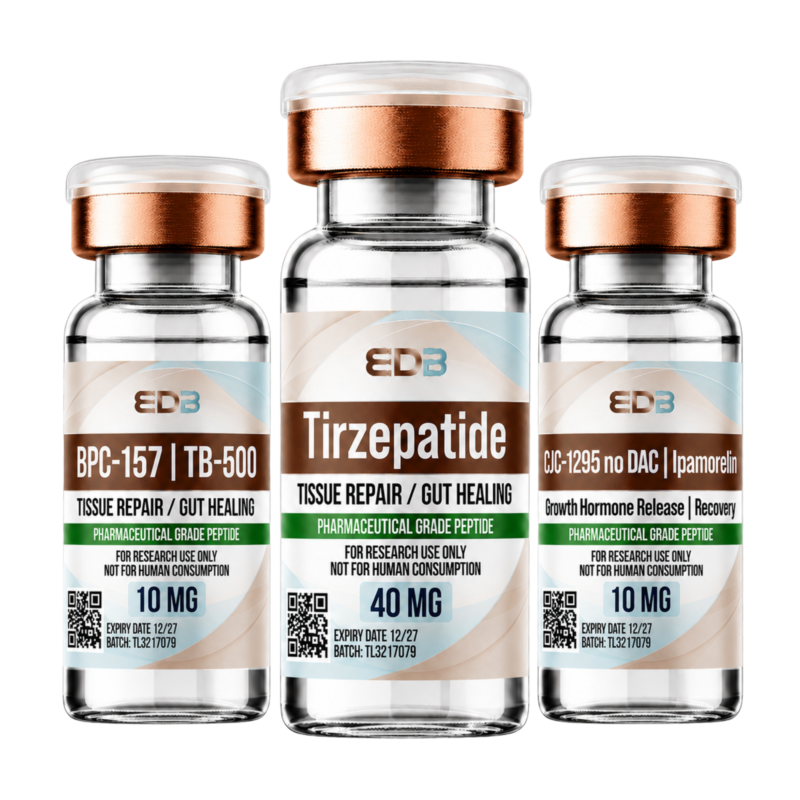
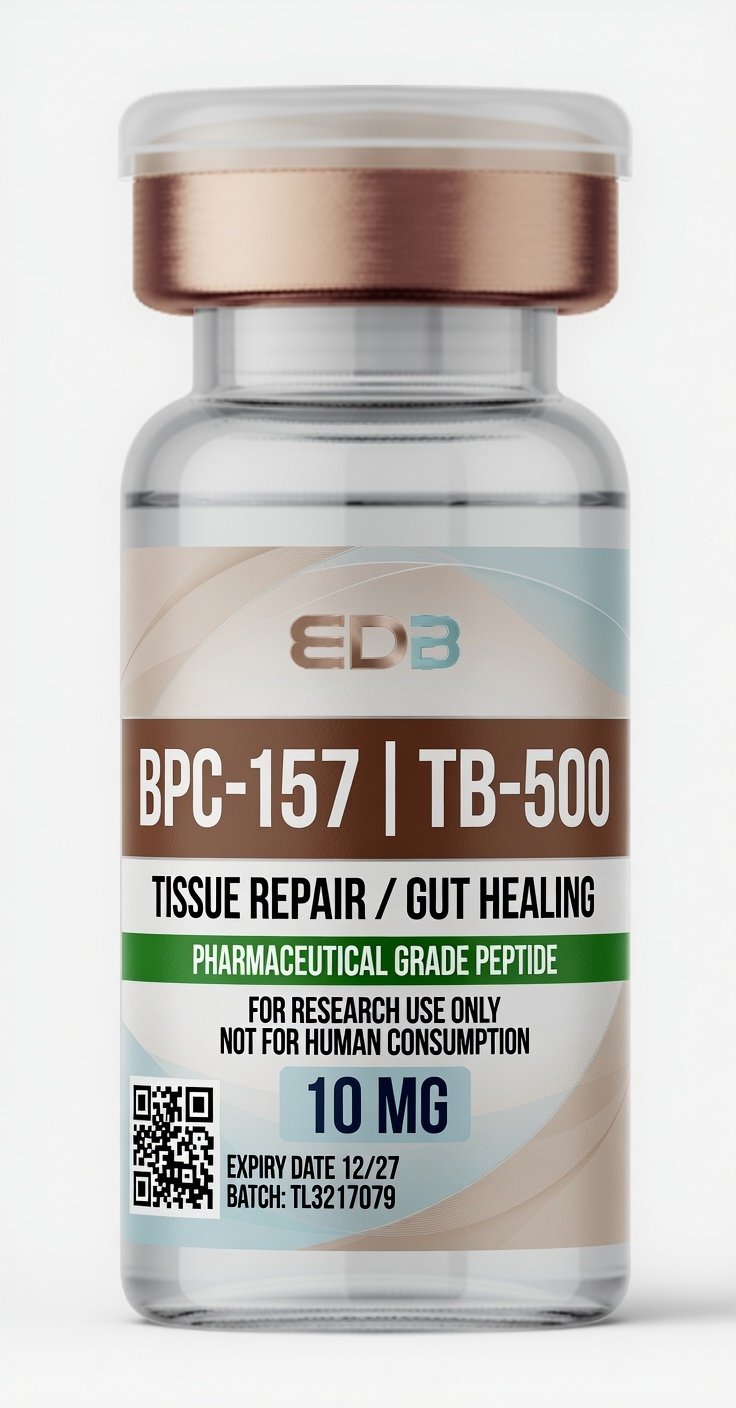
BPC 157\TB-500
- Reconstitute: Add 3.0 mL bacteriostatic water → 3.33 mg/mL concentration.
- Typical daily range: 200–600 mcg once daily (gradual titration).
- Easy measuring: At 3.33 mg/mL, 1 unit = 0.01 mL ≈ 33.3 mcg on a U-100 insulin syringe.
- Storage: Lyophilized: freeze at −20 °C (−4 °F); after reconstitution, refrigerate at 2–8 °C (35.6–46.4 °F); avoid freeze–thaw cycles.
| Week | Daily Dose (mcg) | Units (per injection) (mL) |
| Weeks 1–2 | 200 mcg (0.2 mg) | 6 units (0.06 mL) |
| Weeks 3–4 | 400 mcg (0.4 mg) | 12 units (0.12 mL) |
| Weeks 5–8+ | 600 mcg (0.6 mg) | 18 units (0.18 mL) |
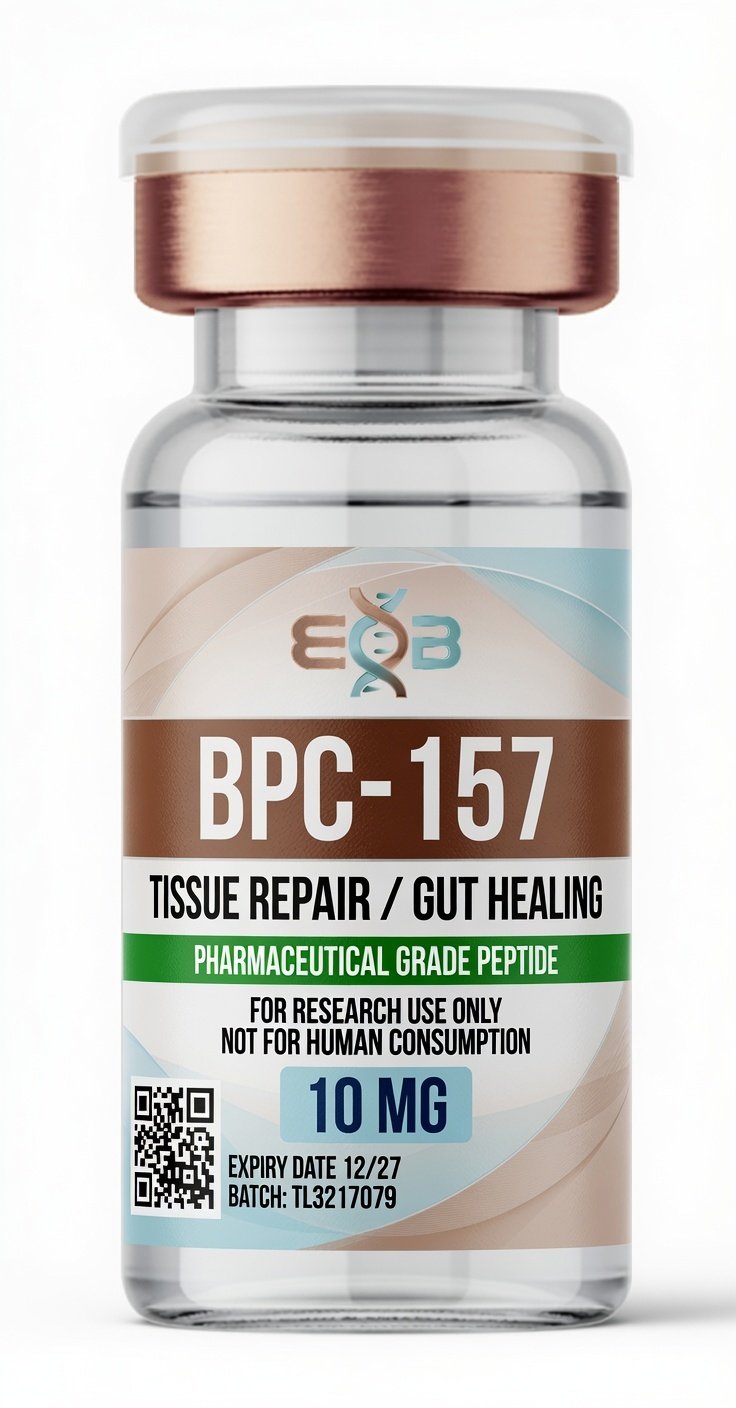
BPC-157
- BPC-157 is dosed at 200 mcg–600 mcg daily via subcutaneous injection in educational protocols. A 5 mg vial reconstituted with bacteriostatic water yields about 1.67 mg/mL. This information is for research and educational use only.
- Reconstitute: Add 3.0 mL bacteriostatic water → 1.67 mg/mL concentration.
- Typical daily range: 200–600 mcg once daily (gradual titration).
- Easy measuring: At 1.67 mg/mL, 1 unit = 0.01 mL ≈ 16.7 mcg on a U-100 insulin syringe.
- Storage: Lyophilized: freeze at −20 °C (−4 °F); after reconstitution, refrigerate at 2–8 °C (35.6–46.4 °F); avoid freeze–thaw cycles.
Route: Subcutaneous | Frequency: Once daily
| Week | Daily Dose (mcg) | Units (per injection) (mL) |
| Weeks 1–2 | 200 mcg (0.2 mg) | 12 units (0.12 mL) |
| Weeks 3–4 | 400 mcg (0.4 mg) | 24 units (0.24 mL) |
| Weeks 5–8+ | 600 mcg (0.6 mg) | 36 units (0.36 mL) |
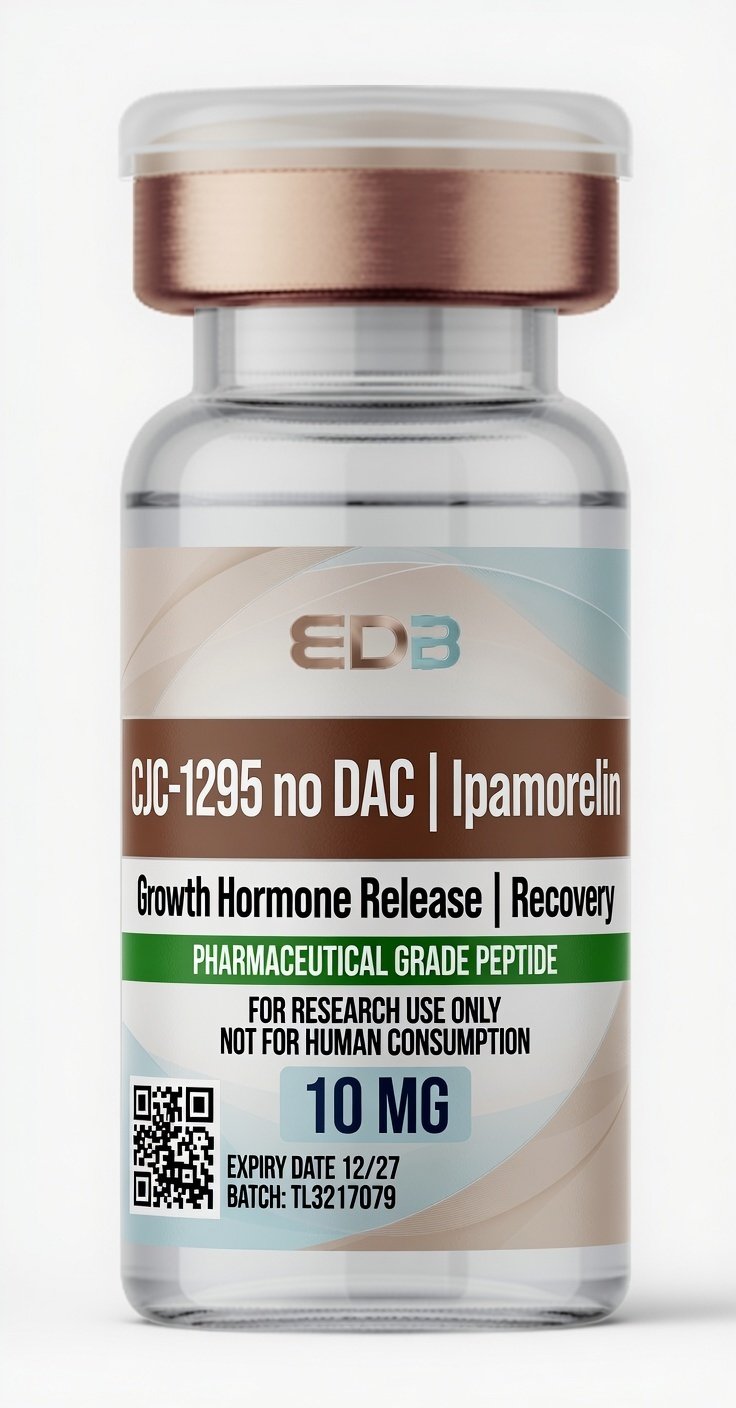
CJC-1295 no DAC\Ipamorelin
- Reconstitute: Add 3.0 mL bacteriostatic water → ~3.33 mg/mL total concentration (1.67 mg/mL each peptide).
- Typical daily range: 100–300 mcg of each peptide once daily (gradual titration).
- Easy measuring: At 3.33 mg/mL total, 1 unit = 0.01 mL ≈ 33.3 mcg of each peptide on a U-100 insulin syringe.
- Storage: Lyophilized: freeze at −20 °C (−4 °F); after reconstitution, refrigerate at 2–8 °C (35.6–46.4 °F); avoid freeze–thaw cycles.
| Week | Daily Dose (mcg) | Units (per injection) (mL) |
| Weeks 1–2 | 100 mcg each | 3 units (0.03 mL) |
| Weeks 3–4 | 150 mcg each | 4.5 units (0.045 mL) |
| Weeks 5–6 | 200 mcg each | 6 units (0.06 mL) |
| Weeks 7–12 | 250–300 mcg each | 7.5–9 units (0.075–0.09 mL) |

GKC-CU 100MG
- Reconstitute: Add 3.0 mL bacteriostatic water → ~33.3 mg/mL concentration.
- Typical daily range: 1–2 mg once daily (gradual titration over 12 weeks).
- Easy measuring: At 33.3 mg/mL, 1 unit = 0.01 mL ≈ 333 mcg on a U-100 insulin syringe.
- Storage: Lyophilized: freeze at −20 °C (−4 °F); after reconstitution, refrigerate at 2–8 °C (35.6–46.4 °F); use within 30 days.
| Week | Daily Dose (mcg) | Units (per injection) (mL) |
| Weeks 1–4 | 1.0 mg | 3 units (0.03 mL) |
| Weeks 5–8 | 1.5 mg | 4.5 units (0.045 mL) |
| Weeks 9–12 | 2.0 mg | 6 units (0.06 mL) |


GLOW
- Reconstitute: Add 3.0 mL bacteriostatic water → ~23.3 mg/mL concentration.
- Typical daily dose: 2,330 mcg (2.33 mg) once daily for 4 weeks.
- Easy measuring: At 33.3 mg/mL, 1 unit = 0.01 mL ≈ 333 mcg on a U-100 insulin syringe.
- Storage: Lyophilized: freeze at −20 °C (−4 °F); after reconstitution, refrigerate at 2–8 °C (35.6–46.4 °F); use within 4 weeks
| Week | Daily Dose (mcg) | Units (per injection) (mL) |
| Weeks 1–4 | 2,330 mcg | 70.5 units (0.70 mL) |
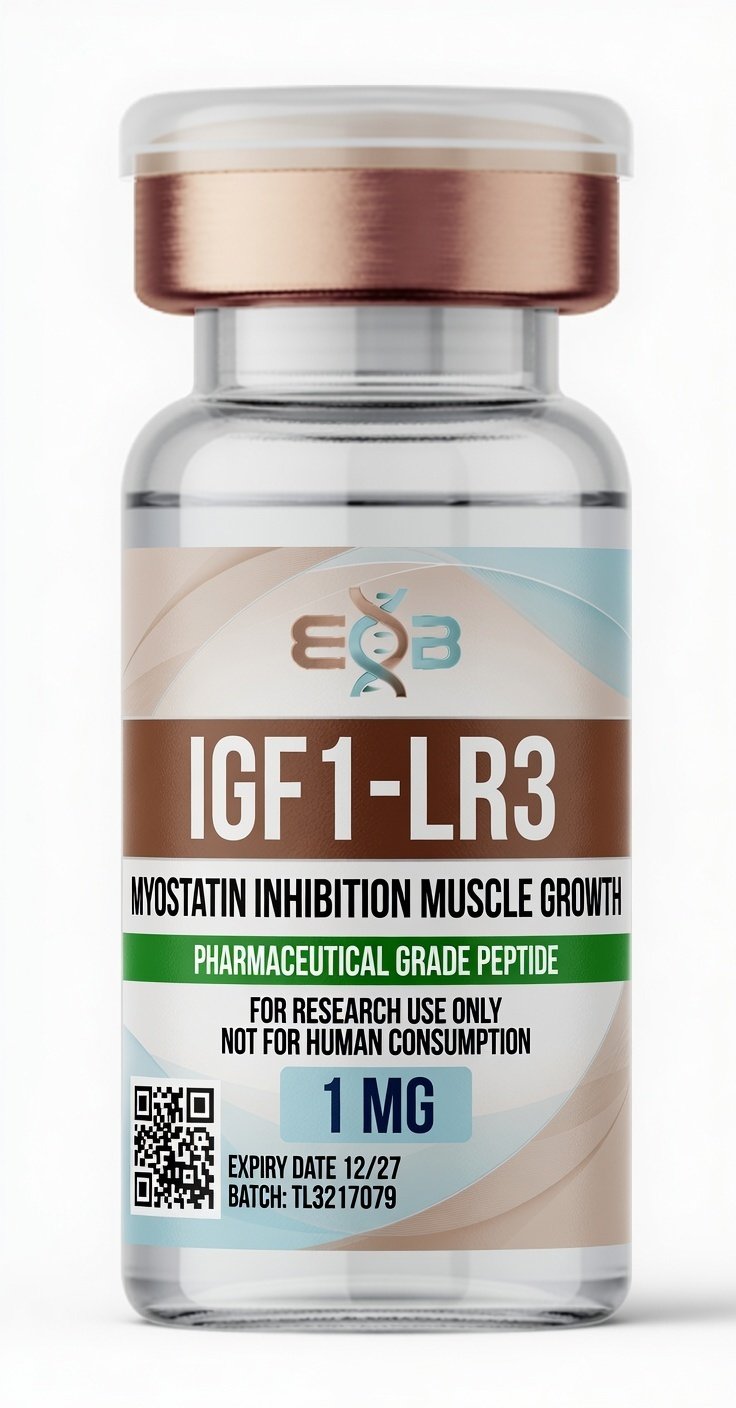
IGF1-LR3
- Reconstitute: Add 3.0 mL bacteriostatic water → ~0.333 mg/mL concentration (333 mcg/mL).
- Typical daily range: 20–50 mcg once daily subcutaneously (gradual titration recommended).
- Easy measuring: At 0.333 mg/mL, 1 unit = 0.01 mL ≈ 3.33 mcg on a U-100 insulin syringe.
- Storage: Lyophilized: freeze at −20 °C (−4 °F) for up to 12 months; after reconstitution, refrigerate at 2–8 °C (35.6–46.4 °F) and use within 30 days; avoid repeated freeze–thaw cycles.
| Week | Daily Dose (mcg) | Units (per injection) (mL) |
| Weeks 1–2 | 20 mcg (0.02 mg) | 6 units (0.06 mL) |
| Weeks 3–4 | 40 mcg (0.04 mg) | 12 units (0.12 mL) |
| Weeks 5–8 | 50 mcg (0.05 mg) | 15 units (0.15 mL) |
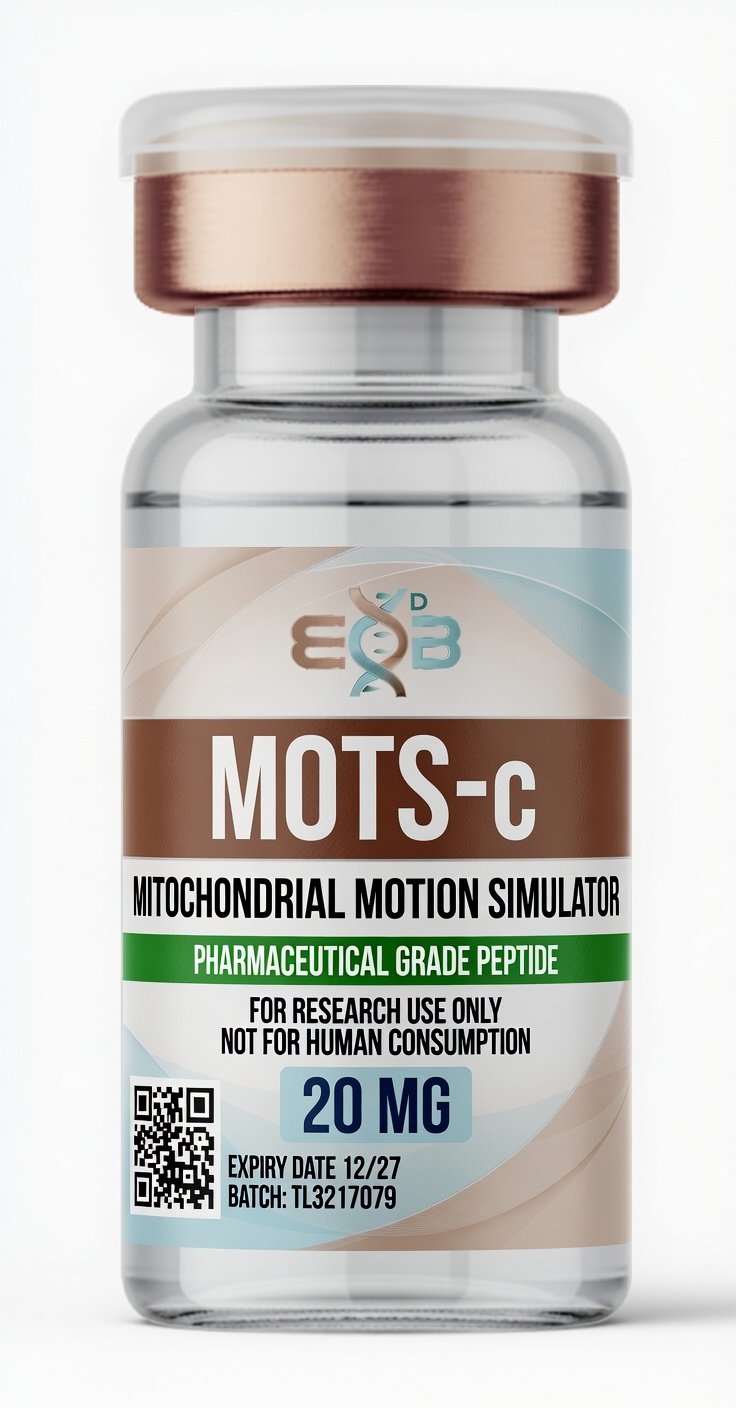
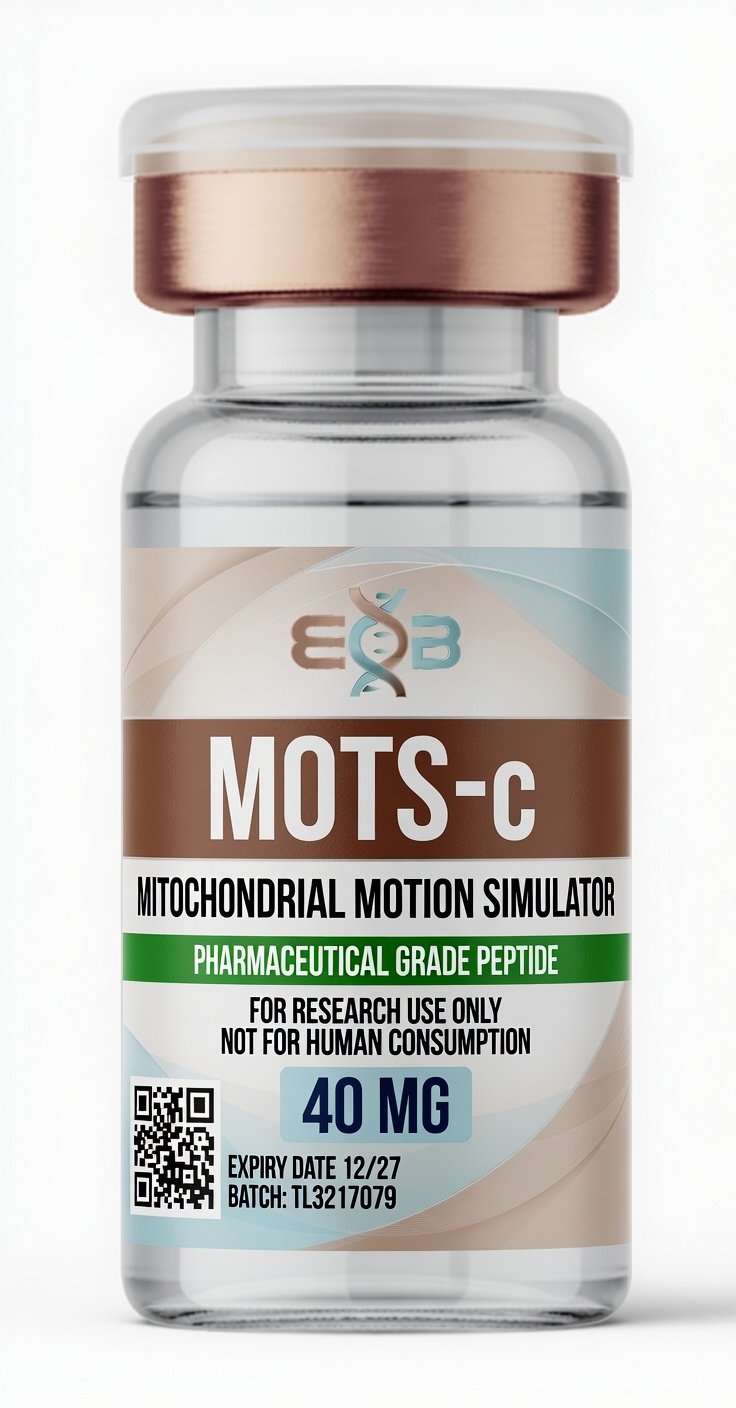
MOTS-c 20MG
- Reconstitute: Add 3.0 mL bacteriostatic water → ~6.67 mg/mL concentration.
- Typical daily range: 200–1,000 mcg once daily (gradual titration over 10 weeks).
- Easy measuring: At 6.67 mg/mL, 1 unit = 0.01 mL ≈ 66.7 mcg on a U‑100 insulin syringe.
- Storage: Lyophilized: freeze at −20 °C (−4 °F) or below; after reconstitution, refrigerate at 2–8 °C (35.6–46.4 °F) and use within 7 days for best potency.
| Week | Daily Dose (mcg) | Units (per injection) (mL) |
| Weeks 1–2 | 200 mcg (0.2 mg) | 3 units (0.03 mL) |
| Weeks 3–4 | 400 mcg (0.4 mg) | 6 units (0.06 mL) |
| Weeks 5–6 | 600 mcg (0.6 mg) | 9 units (0.09 mL) |
| Weeks 7–8 | 800 mcg (0.8 mg) | 12 units (0.12 mL) |
| Weeks 9–10+ | 1,000 mcg (1.0 mg) | 15 units (0.15 mL) |
| Week | Daily Dose (mcg) | Units (per injection) (mL) |
| Weeks 1–2 (Initial) | 600 mcg | 300 mcg BPC + 300 mcg TB-500 - 18 units (0.18 mL) |
| Weeks 3–4 (Loading) | 800 mcg | 400 mcg BPC + 400 mcg TB-500 - 24 units (0.24 mL |
| Weeks 5–8 (Maintenance) | 600 mcg | 300 mcg BPC + 300 mcg TB-500 - 18 units (0.18 mL) |
MOTS-C 40MG
- Reconstitute: Add 3.0 mL bacteriostatic water → ~13.33 mg/mL concentration.
- Typical daily range: 200–1,000 mcg once daily (gradual titration over 10 weeks).
- Easy measuring: At 13.33 mg/mL, 1 unit = 0.01 mL ≈ 133.3 mcg on a U‑100 insulin syringe.
- Storage: Lyophilized: freeze at −20 °C (−4 °F) or below; after reconstitution, refrigerate at 2–8 °C (35.6–46.4 °F) and use within 7 days for best potency.
| Week | Daily Dose (mcg) | Units (per injection) (mL) |
| Weeks 1–2 | 200 mcg (0.2 mg) | 1.5 units (0.015 mL) |
| Weeks 3–4 | 400 mcg (0.4 mg) | 3 units (0.03 mL) |
| Weeks 5–6 | 600 mcg (0.6 mg) | 4.5 units (0.045 mL) |
| Weeks 7–8 | 800 mcg (0.8 mg) | 6 units (0.06 mL) |
| Weeks 9–10+ | 1,000 mcg (1.0 mg) | 7.5 units (0.075 mL) |
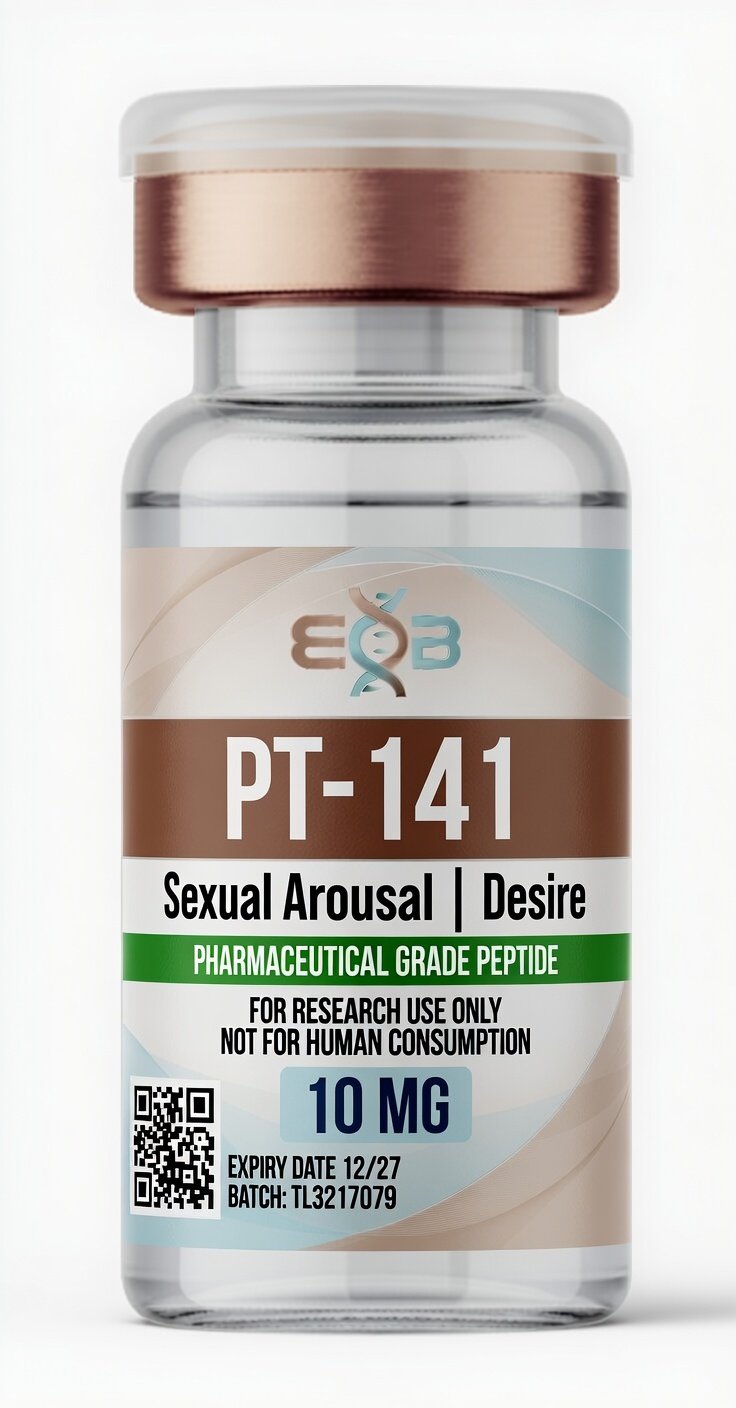
PT-141
- Reconstitute: Add 3.0 mL bacteriostatic water → ~3.33 mg/mL concentration.
- Typical daily range: 500–1500 mcg once daily (gradual titration over 16 weeks).
- Easy measuring: At 3.33 mg/mL, 1 unit = 0.01 mL ≈ 33.3 mcg on a U-100 insulin syringe.
- Storage: Lyophilized: freeze at −20 °C (−4 °F); after reconstitution, refrigerate at 2–8 °C (35.6–46.4 °F); avoid freeze–thaw cycles.
| Week | Daily Dose (mcg) | Units (per injection) (mL) |
| Weeks 1–8 | 500 mcg (0.5 mg) | 15 units (0.15 mL) |
| Weeks 9–12 | 1000 mcg (1.0 mg) | 30 units (0.30 mL) |
| Weeks 13–16 | 1500 mcg (1.5 mg) | 45 units (0.45 mL) |
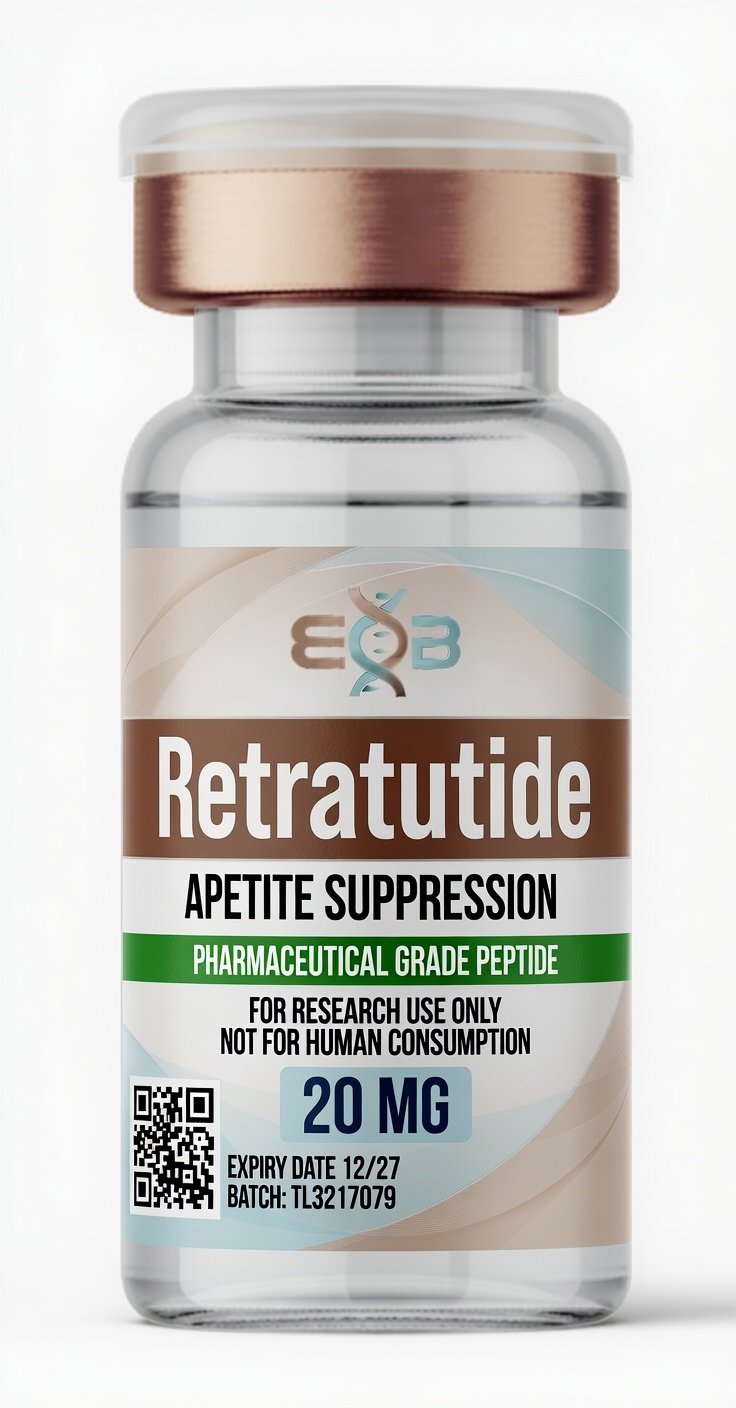
Retatrutide 20MG
- Reconstitute: Add 2.0 mL bacteriostatic water → ~10.0 mg/mL concentration.
- Typical weekly range: 2–8 mg once weekly (gradual escalation over 8–12 weeks).
- Easy measuring: At 10.0 mg/mL, 1 unit = 0.01 mL ≈ 100 mcg on a U-100 insulin syringe.
- Storage: Lyophilized: freeze at −20 °C (−4 °F); after reconstitution, refrigerate at 2–8 °C (35.6–46.4 °F) for up to 4 weeks.
| Week | Daily Dose (mcg) | Units (per injection) (mL) |
| Weeks 1–4 | 2 mg (2000 mcg) | 20 units (0.20 mL) |
| Weeks 5–8 | 4 mg (4000 mcg) | 40 units (0.40 mL) |
| Weeks 9–12 | 6 mg (6000 mcg) | 60 units (0.60 mL) |
| Weeks 13+ | 8 mg (8000 mcg) | 80 units (0.80 mL) |
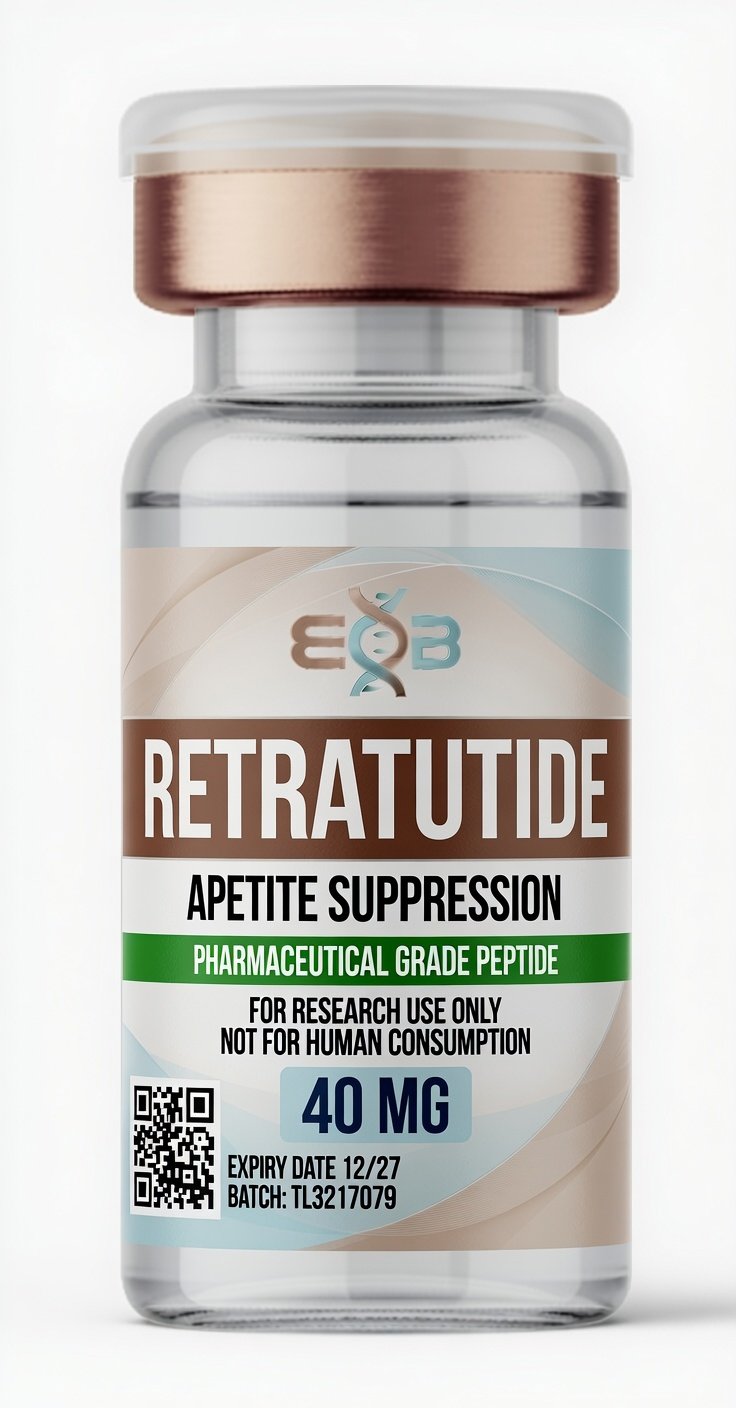
Retatrutide 40MG
- Reconstitute: Add 2.0 mL bacteriostatic water → ~20.0 mg/mL concentration.
- Typical weekly range: 2–8 mg once weekly (gradual escalation over 8–12 weeks).
- Easy measuring: At 20.0 mg/mL, 1 unit = 0.01 mL ≈ 200 mcg on a U-100 insulin syringe.
Storage: Lyophilized: freeze at −20 °C (−4 °F); after reconstitution, refrigerate at 2–8 °C (35.6–46.4 °F) for up to 4 weeks
| Week | Daily Dose (mcg) | Units (per injection) (mL) |
| Weeks 1–4 | 2 mg (2000 mcg) | 10 units (0.10 mL) |
| Weeks 5–8 | 4 mg (4000 mcg) | 20 units (0.20 mL) |
| Weeks 9–12 | 6 mg (6000 mcg) | 30 units (0.30 mL) |
| Weeks 13+ | 8 mg (8000 mcg) | 40 units (0.40 mL) |