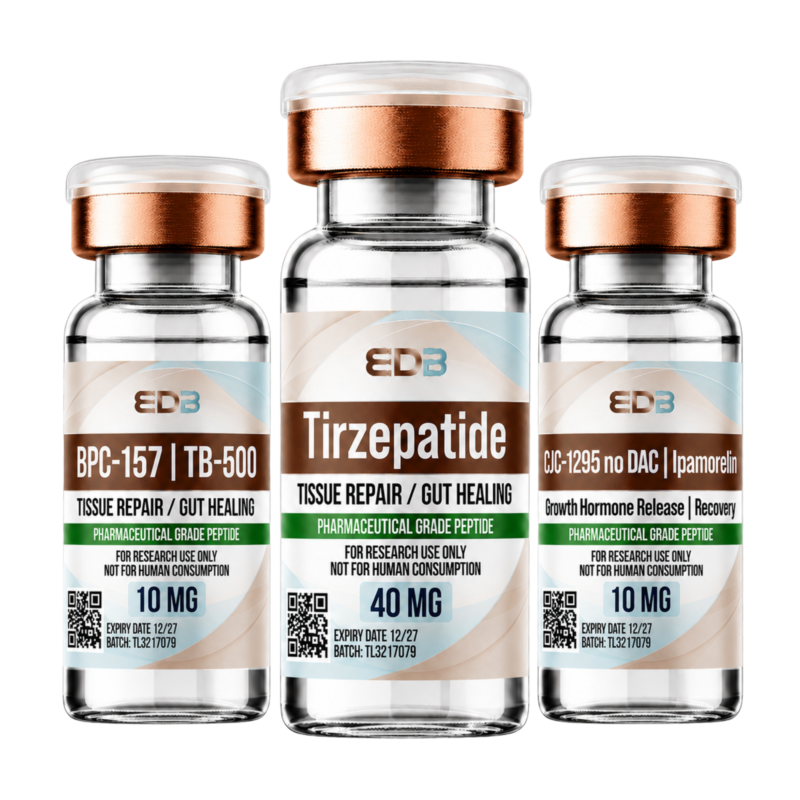

In the growing world of research peptides, quality isn’t optional—it’s essential. Whether you’re studying body composition, metabolic health, tissue repair, or healthy aging, research peptide purity directly impacts the reliability of your results and the integrity of your research.
Low-purity products introduce unwanted variables that can affect data accuracy, waste valuable resources, and compromise research quality.
If you’re sourcing peptides from suppliers like EDB LLC, understanding why purity matters will help you make informed decisions and achieve more consistent outcomes.
What Is Peptide Purity?
Peptide purity refers to the percentage of the desired peptide sequence present in a sample compared with impurities such as:
- Truncated peptide sequences
- Deleted or incomplete sequences
- Residual solvents
- Salts
- Manufacturing contaminants
For example, a peptide that is 99% pure contains 99% of the intended peptide sequence.
Purity is typically verified using:
- High-Performance Liquid Chromatography (HPLC)
- Mass Spectrometry (MS)
- Certificate of Analysis (COA)
It is important to distinguish purity from net peptide content, which includes moisture, salts, and other non-active components.
Why High Research Peptide Purity Matters
1. Reliable and Reproducible Results
High-quality research depends on consistency.
Even small amounts of impurities can interfere with:
- Biological activity
- Receptor binding
- Experimental outcomes
- Dose-response curves
Using peptides with 98–99%+ purity helps minimize experimental variability and improves reproducibility.
2. Reduced Risk of Contaminants
Lower-quality peptides may contain:
- Residual solvents
- Heavy metals
- Endotoxins
- Microbial contaminants
These impurities can negatively impact laboratory models and compromise research findings.
For studies involving:
- Cell cultures
- Animal models
- In-vitro assays
high purity should always be considered a priority.
3. Accurate Dosing and Better Cost Efficiency
When peptide purity is unknown, it’s impossible to determine the exact amount of active compound being used.
High-purity peptides help provide:
- Accurate dosing
- More reliable experimental protocols
- Reduced material waste
- Fewer repeated experiments
Although premium-quality peptides often cost more, they frequently save both time and research resources.
4. Better Outcomes Across Different Research Areas
High purity supports more reliable findings in many peptide research applications.
Body Composition & Metabolic Research
Examples include:
- Tesamorelin
- Semaglutide analogs
Higher purity helps ensure observed metabolic effects are due to the intended peptide rather than contaminants.
Tissue Repair Research
Compounds such as:
- BPC-157
- TB-500
are studied for regenerative pathways where impurities could interfere with repair mechanisms.
Healthy Aging & GH Research
Growth hormone secretagogues require consistent biological activity to accurately evaluate GH and IGF-1 signaling.
5. Scientific Integrity and Regulatory Standards
Leading research suppliers emphasize:
- Third-party laboratory testing
- Batch consistency
- Transparent documentation
High-purity products support good scientific practices and reduce complications during data analysis and publication.
Note: Purity requirements vary depending on the application, but 98–99%+ is commonly preferred for quantitative research.
How Peptide Purity Is Verified
Reputable manufacturers typically use several analytical techniques.
High-Performance Liquid Chromatography (HPLC)
Measures peptide purity by separating the desired peptide from impurities.
Mass Spectrometry (MS)
Confirms molecular weight and verifies peptide identity.
Additional Quality Testing
Some suppliers also perform testing for:
- Endotoxins
- Heavy metals
- Microbial contamination
Always review the Certificate of Analysis (COA) before purchasing research peptides.
Risks of Low-Purity Research Peptides
Using substandard peptides may result in:
- Inconsistent experimental data
- Invalid research findings
- Poor reproducibility
- Wasted research materials
- Increased costs
- Potential publication challenges
Within research communities, inconsistent product quality is one of the most common causes of unreliable outcomes.
Who Should Prioritize High-Purity Peptides?
High-quality peptides are especially important for:
- Academic researchers
- Laboratory scientists
- Biotechnology companies
- Clinical researchers
- Universities
- Regenerative medicine research
At EDB LLC, we focus on providing research-grade peptides supported by quality documentation and verified testing.
Safety and Considerations
Research peptides are intended for laboratory and educational research purposes only.
Researchers should always:
- Follow appropriate laboratory protocols
- Verify supplier documentation
- Review Certificates of Analysis
- Purchase from transparent, reputable suppliers
Important Disclaimer: This article is for educational purposes only and does not constitute medical advice. Research peptides are regulated, and availability varies by jurisdiction. EDB LLC supplies peptides strictly for laboratory and research use. Always comply with applicable laws and institutional guidelines.
Choosing the Right Research Peptide Supplier
When selecting a supplier, look for:
- Third-party laboratory testing
- HPLC and MS verification
- Detailed Certificates of Analysis (COAs)
- Purity standards of 98%+
- Transparent quality control practices
- Responsive customer support
Frequently Asked Questions
What peptide purity is recommended for research?
For most research applications, 98–99%+ purity is considered the preferred standard for reliable and reproducible results.
How can I verify peptide purity?
Review the supplier’s Certificate of Analysis (COA), including HPLC and Mass Spectrometry reports for the specific production batch.
Is a higher-purity peptide worth the additional cost?
In many cases, yes. Higher-purity peptides reduce variability, improve consistency, and help avoid costly repeat experiments.
Where can I source high-quality research peptides?
Choose suppliers that provide transparent testing, third-party verification, and comprehensive documentation. EDB LLC offers research peptides backed by quality assurance and Certificates of Analysis.
Ready to Support Your Research with High-Purity Peptides?
Browse the research peptide collection at EDB LLC to explore high-quality compounds supported by transparent testing and comprehensive documentation. Quality you can trust helps produce results you can rely on.